What was your approach to developing the look of the film?
Dominic Cook: The early ’60’s — especially in the UK — you might as well have been in the Edwardian era.
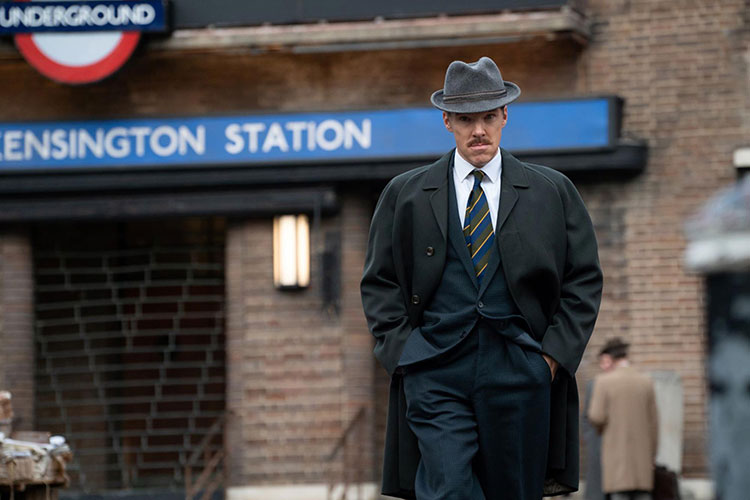

What was your approach to developing the look of the film?
Dominic Cook: The early ’60’s — especially in the UK — you might as well have been in the Edwardian era.
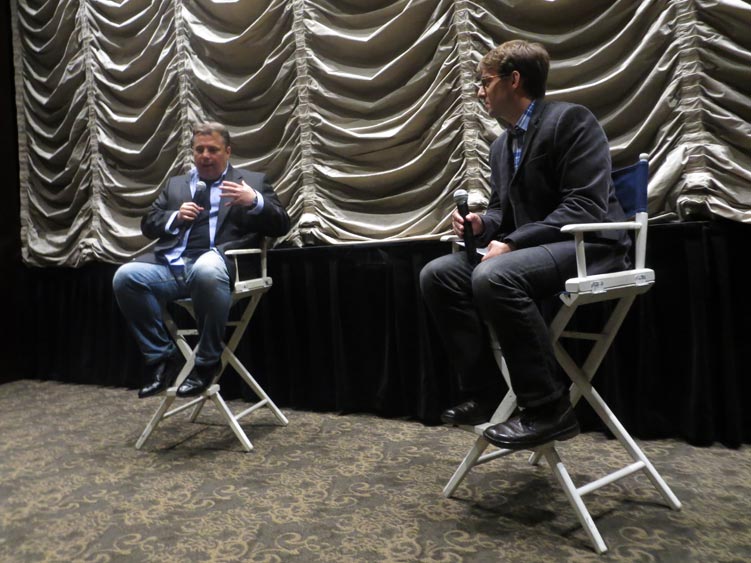
Let’s start by talking about the unique backstory to making this film.
Salerno: I grew up in a house where Salinger was a church. My mom was a huge fan and turned me onto his work, but like everyone, I had no idea about the man, I just knew the work. I started researching this project and found out that J.D. Salinger landed on D-Day, that Salinger participated in these horrible battles, that he lost the love of his life, Oona O’Neill, to Charlie Chaplin.

Your films feel so naturalistic— as though you just took your crew to a location and filmed what was going on there. But the reality is quite different, isn’t it?
Chloé Zhao: Well, the trick is to make the audience feel like we just showed up.

Can you take us through the process of making this film? There was a long period of time when you were building toward something like this.
Chloé Zhao: During my third year at NYU, I was thinking about what feature film to make. That’s when I first went out to Pine Ridge.

The following questions and answers are excerpted from a conversation that followed the NBR screening of I’m Thinking of Ending Things. The film adheres to the novel in some ways, and not in other ways. Charlie, when in your process do you make the decisions about where to stick to the text and where to depart? […]

Why did you choose to tell this particular story?
The first thing people say when they see me – since I’m a young guy – is you made this?

How did you decide to make these stories into a feature film?
Bonni Cohen: John and I are a married couple – we’ve been making films together for almost twenty years now. And we’ve done a lot of hard films.
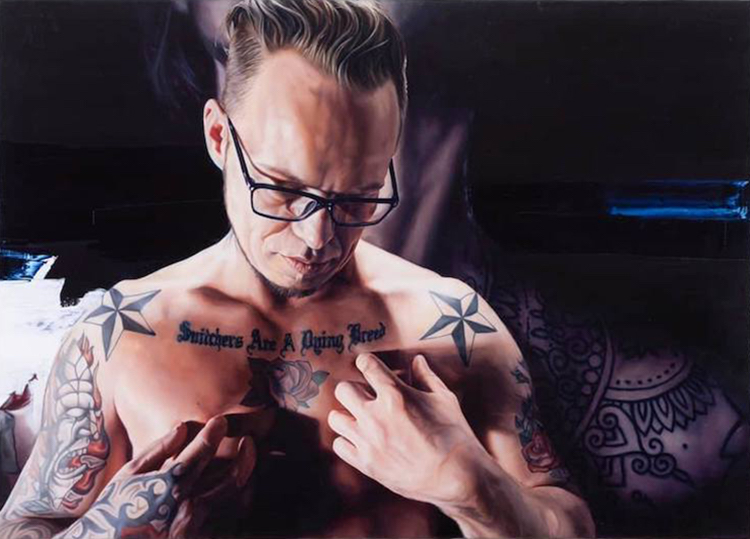
Can you both discuss how this film came about?
Benjamin Ree: The film began with me researching art robberies.
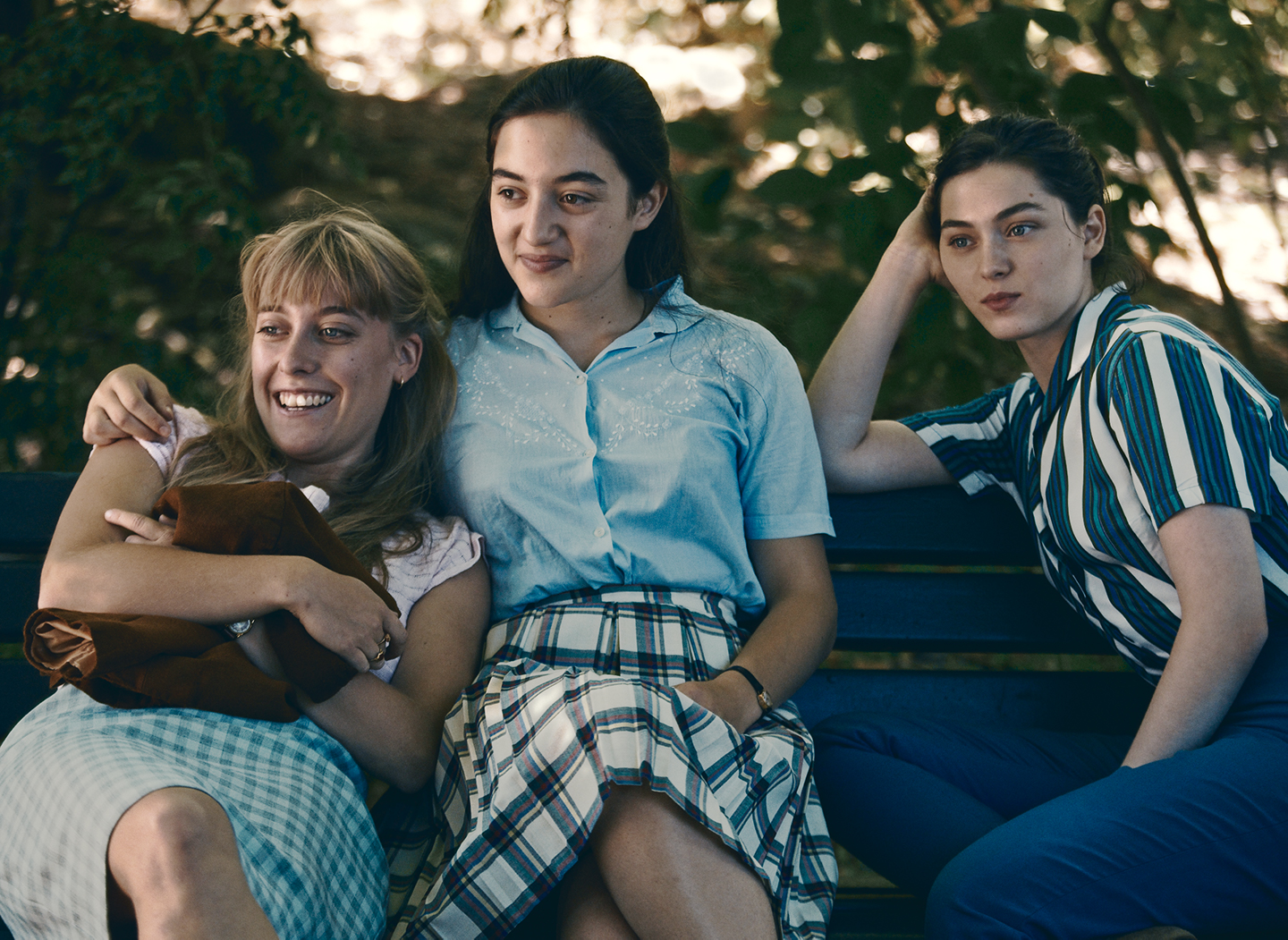
The way you build tension throughout the film is incredible. How did you approach that?
n a very organic way, it’s a girl against time. Suspense comes naturally from that premise, by using the DNA of the true story.
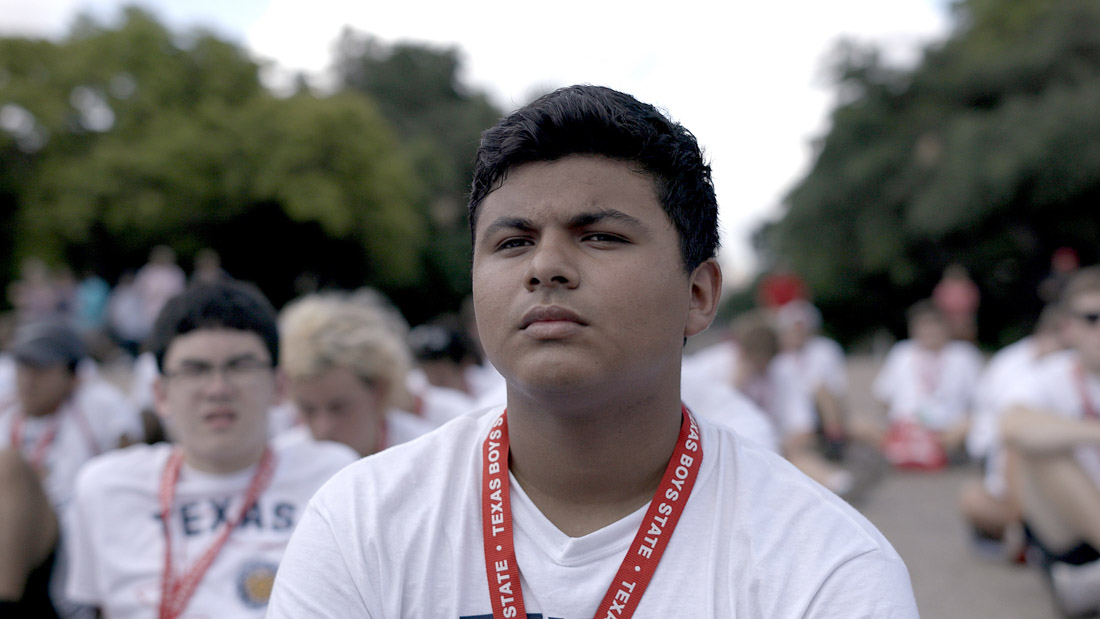
When was it clear that there was enough here to make a compelling feature?
Amanda McBaine: I love the word clarity; it’s not something you really have until you premiere your film and you hope people respond.
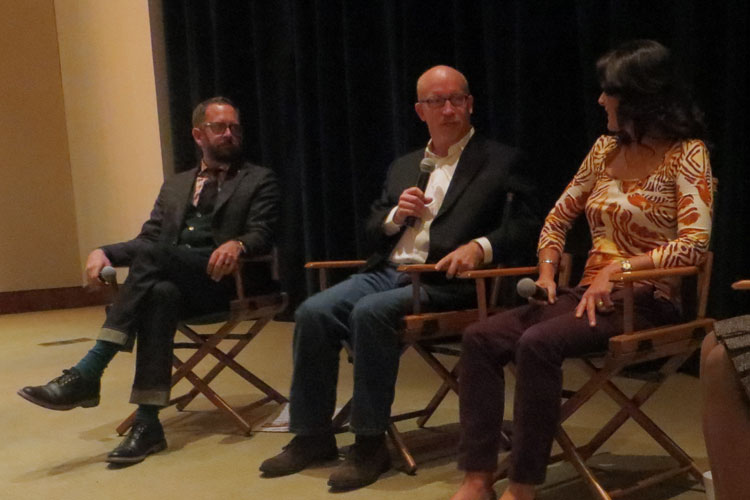
What was involved in the production of making such a visually and sonically rich film?
At the Tour de France we had a full ten cameras, and we were able to put a camera inside the car, sometimes two, and then at every stop along the way we had three cameras in every car.

How did you arrive at Nathan being this weightlifting, heavy drinking, bro-ish guy?
If the people you’re interacting with are physically intimidating and intellectually intimidating and also very rich, it doesn’t leave you much room to maneuver.

Your relationship with Akira Kurosawa dates back to the beginning of your career. Can you share how you first encountered Kurosawa’s work and what drew you to reimagine it?
Spike Lee: People always assume that this film is a remake of Kurosawa’s High and Low, but it actually began with Ed McBain’s novel King’s Ransom.

I never thought about a Hungarian population in Canada. One of the themes running through this film for me was isolation. You shot Jeremy in isolation a lot, but he’s not the only one.
SR: I try to do as much as I can visually without having it be in the dialogue or without it being explicit and trusting that the audience will pick up on the nuances of the visual language. A big part of that was shooting on Vancouver Island.

I understand this film is based on a story that really resonated with you?
Sergey Loznitsa: The film is based on a story by Georgy Demidov, who was arrested in 1938 and spent nearly fourteen years in prison camps.