What was your experience like coming to this project?
Jason Segel: I had made a decision that I wanted to do something entirely different than what I had been doing.


What was your experience like coming to this project?
Jason Segel: I had made a decision that I wanted to do something entirely different than what I had been doing.
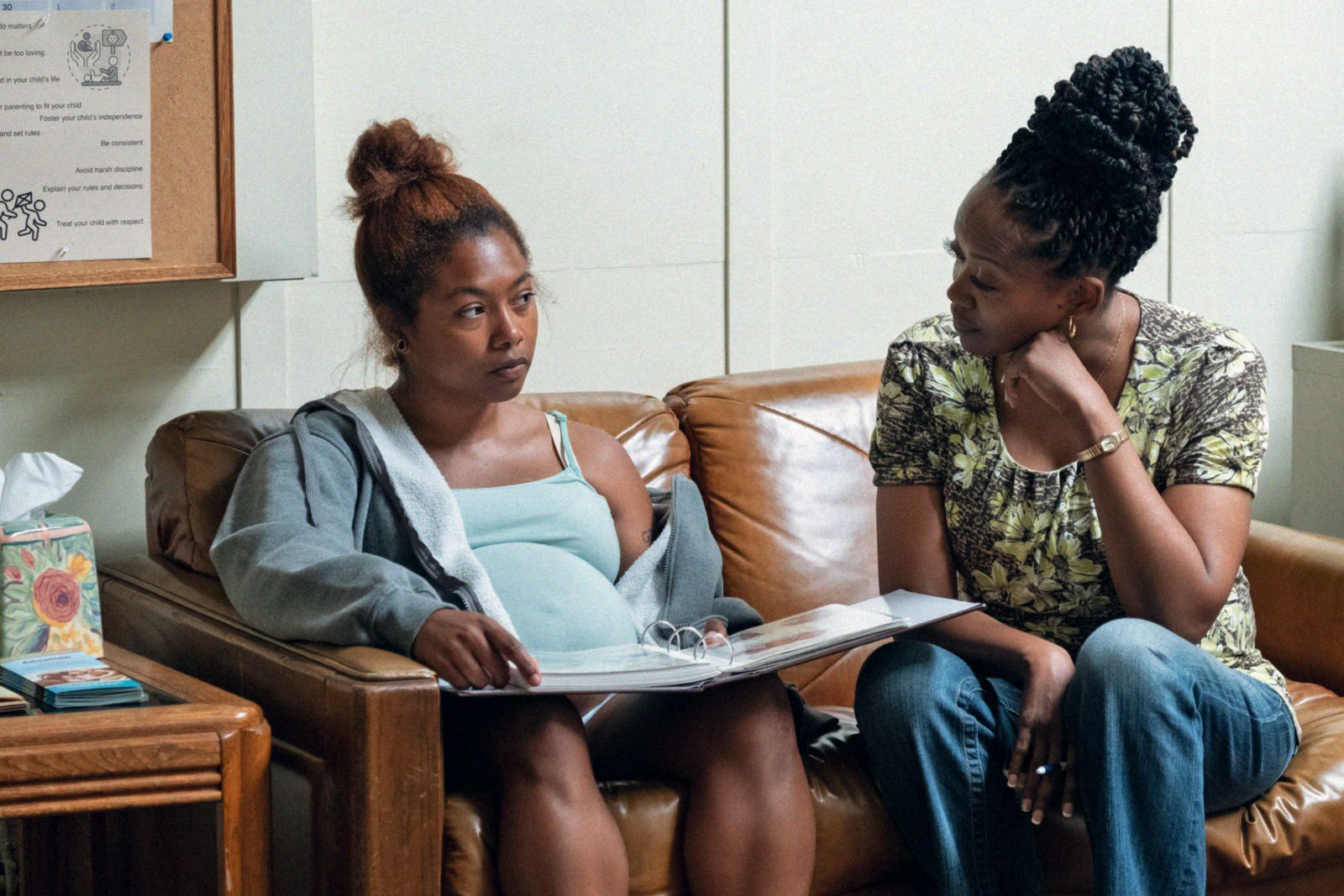
Can you talk about making the transition from athletics to a visual and creative artist?
Savanah Leaf: In a way, I think a film is this combination of working in a team environment.
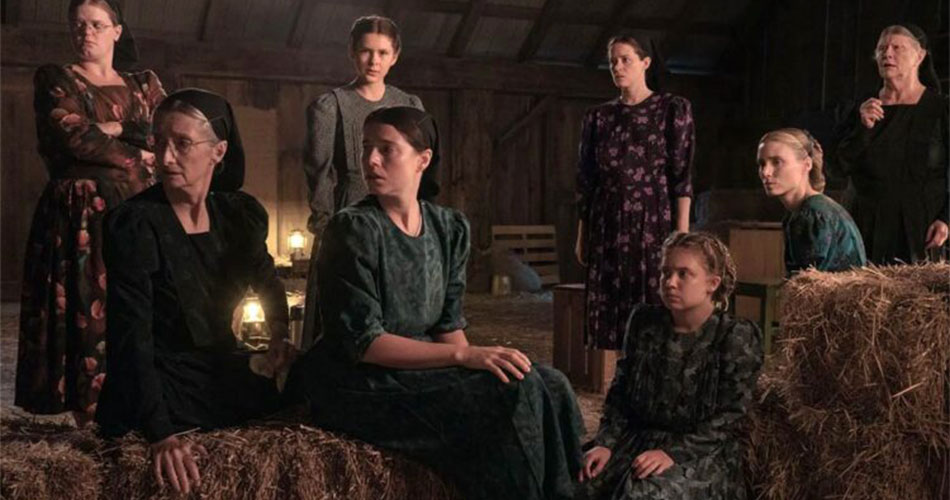
Can you describe your approach to adapting the novel, and to making the story so cinematic?
Sarah Polley: I think I always thought of the story as somewhat of an epic.
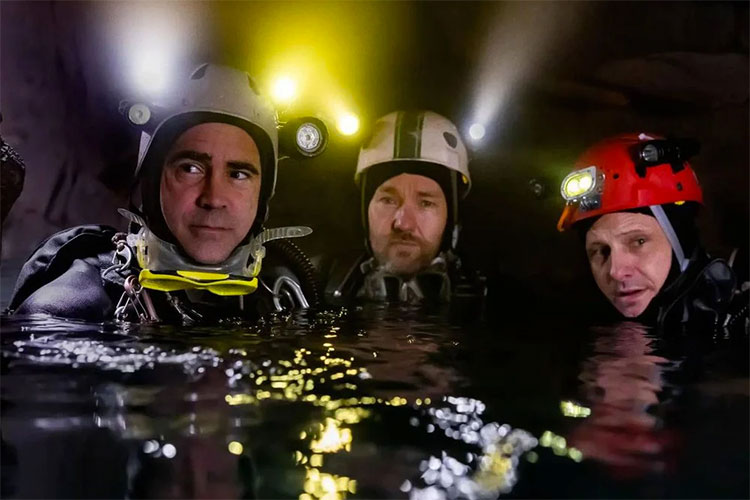
What was it like bringing a production of this size to Thailand?
Ron Howard: That was the big question I was asking of myself, going into the movie. I knew there was a genuine hurdle there.
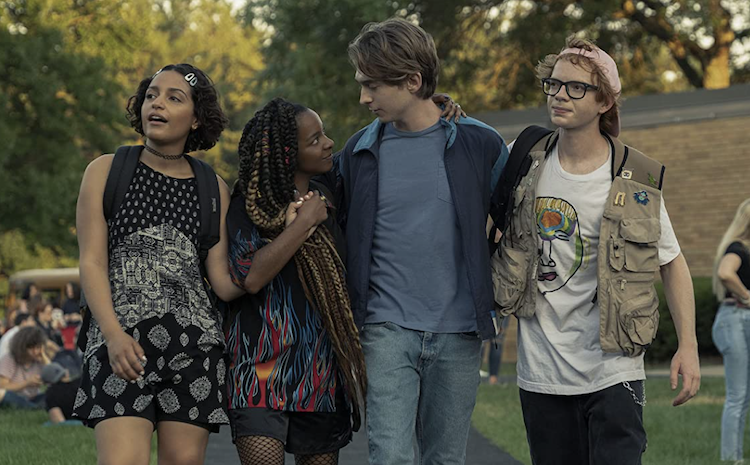
What did your writing process entail?
It kind of had the whiff of destiny, from the time I read the book.

You said that your biggest talent was in the casting of the film.
Linklater: I think the movie speaks for itself in that way.
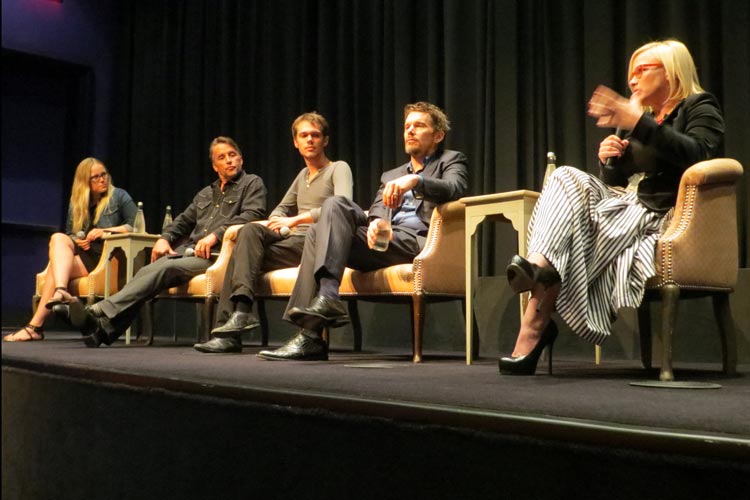
This is a huge movie. What was it like to begin this process and how did your relationships to each other develop?
Linklater: It was just like setting sail for uncharted territory. There was a plan there. We were going to see this kid grow up from first to twelfth grade.
The following questions and answers are excerpted from a conversation that followed the NBR screening of The Paper Tigers. This film is a heartfelt look at the Kung Fu genre as well as a story about growing up and fatherhood in various forms. What was the catalyst for the story? Bao Tran: I survived a death […]
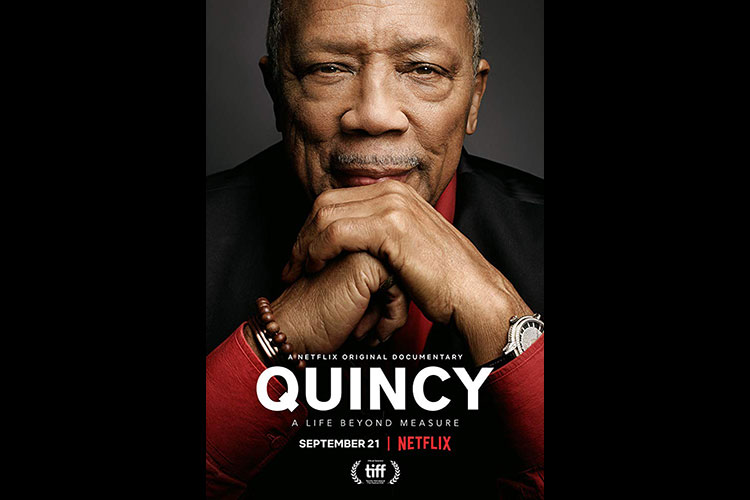
We spent three years filming, and we went to twenty five countries with Quincy.
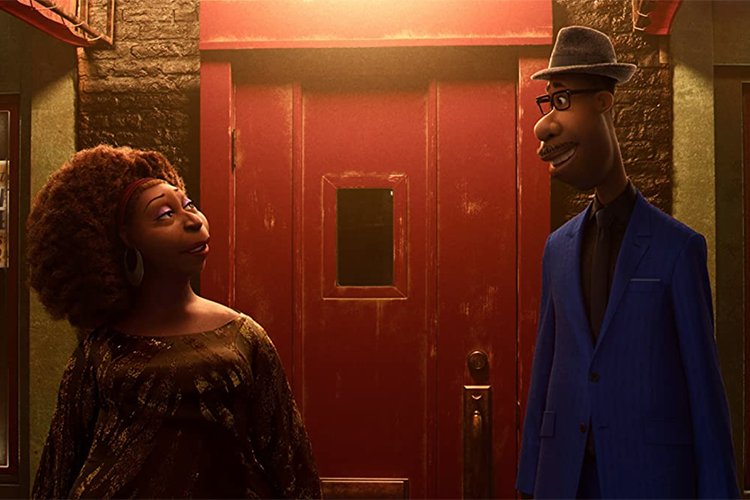
Can you talk about the design of the film and how it’s another evolution for Pixar both in the extremes in realism and surrealism that it achieves?
One of the big joys for me in working in this business is to embrace stuff that is perfect for animation

The following questions and answers are excerpted from a conversation that followed the NBR screening of Rebel Hearts. How did the project begin and how did you two come together? Shawnee Isaac Smith: I’ll start since it was twenty-one years ago when I met one of the Immaculate Heart sisters and was so inspired by their […]
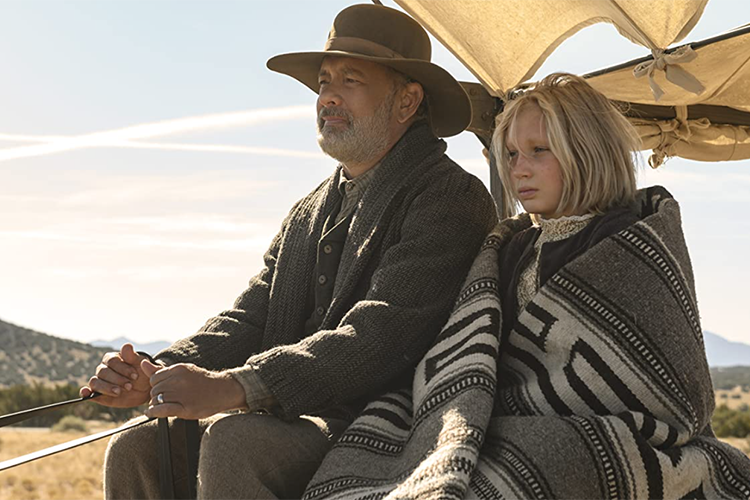
Can you tell us about the origins of this film?
Paul Greengrass: I think the origins of it lie in the last film I made, actually, 22 July, which was a pretty tough film about violent right-wing extremism in Europe.

You were shooting in environmental conditions that were extremely difficult. Can you talk about those challenges?
Greengrass: The first day we shot in the lifeboat was really intense.
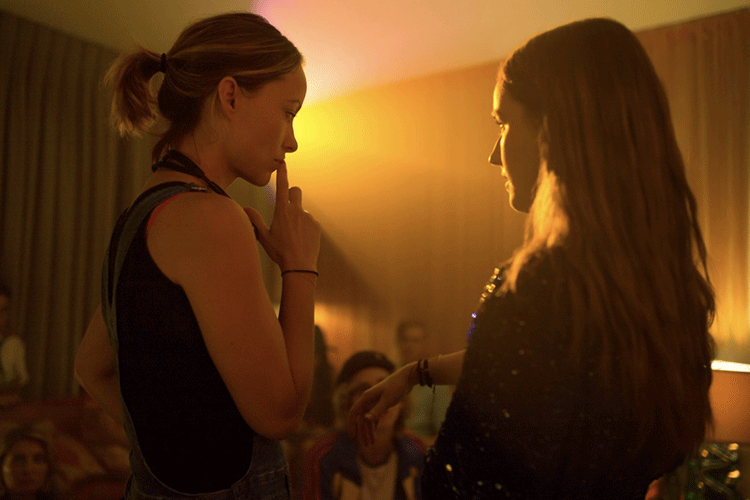
Katie, you’ve taken a script that had been around for several years and made it feel brand new. That must be a huge challenge — what was your approach?
Katie Silberman: We talked a lot about what made us love the classic high school movies
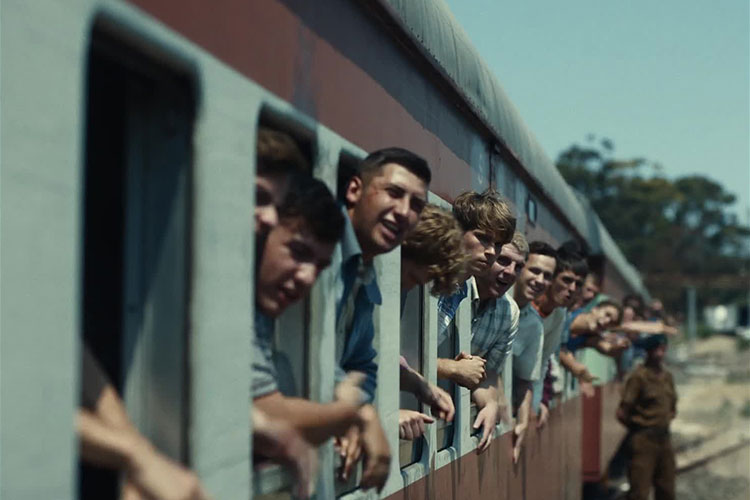
What was your experience working with the author of the memoir on which the film is based?
Oliver Hermanus: The first thing I did, when I was certain I would tackle it, was I met with [author Andre Carl van der Merwe] a few times.