Why did you decide to shoot this film in black and white?
Alexander Payne: You know, it wasn’t ever really a decision—it just felt right. It had to be in black and white.
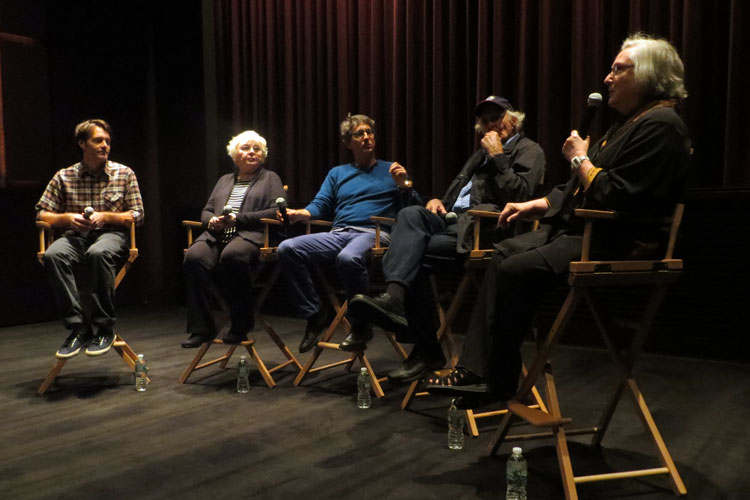

Why did you decide to shoot this film in black and white?
Alexander Payne: You know, it wasn’t ever really a decision—it just felt right. It had to be in black and white.
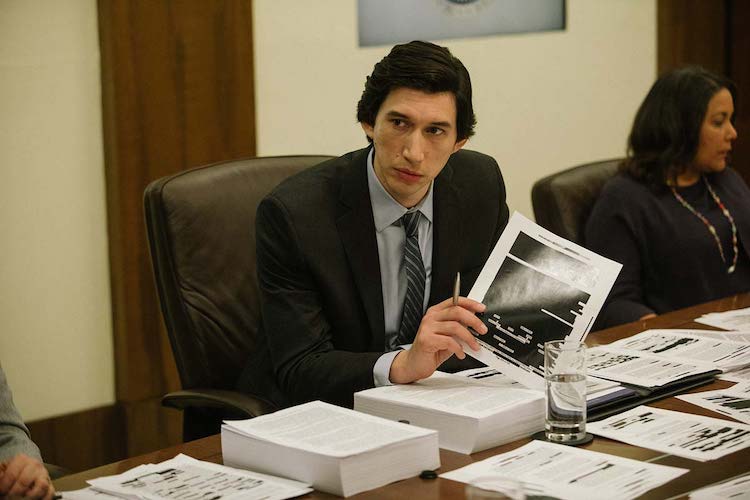
Your characters spends a lot of time in an underground room, and doesn’t interact with a wide variety of people. But you still manage to develop a building sense of urgency. Can you talk about that process?
Adam Driver: There is a kind of decorum that comes with being in that kind of space that I really related to. There is a withholding of emotion, because you are there to do a job and not to insert your opinion or to have a feeling that you can express to your higher ups.
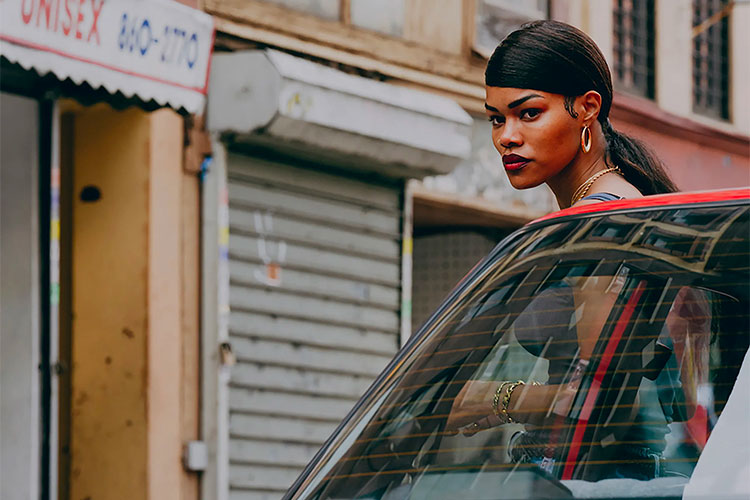
A.V. Rockwell: I really wanted to tell a story, especially for my first film, that recognized my coming of age experience in New York City…

Your relationship with Akira Kurosawa dates back to the beginning of your career. Can you share how you first encountered Kurosawa’s work and what drew you to reimagine it?
Spike Lee: People always assume that this film is a remake of Kurosawa’s High and Low, but it actually began with Ed McBain’s novel King’s Ransom.

I understand this film is based on a story that really resonated with you?
Sergey Loznitsa: The film is based on a story by Georgy Demidov, who was arrested in 1938 and spent nearly fourteen years in prison camps.
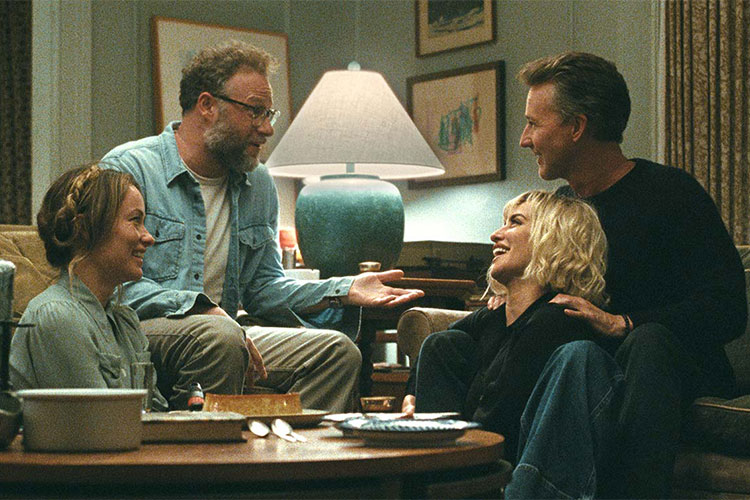
It’s so unusual these days to have a comedy made by adults, for adults, in theaters! Tell us about when you first encountered the script, and how the movie evolved.
Olivia Wilde: It’s Sentimental in Spain, released here as The People Upstairs, and it’s based on a play written and directed by the same person.
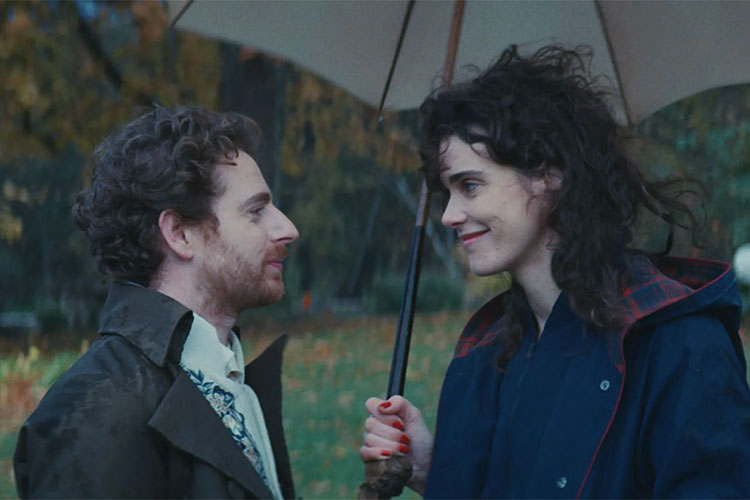
Laura, let’s start with the title. I had to laugh—Jane Austen doesn’t wreck anyone’s life… or does she?
Laura Piani: It all started years ago, when I worked night shifts at Shakespeare and Company in Paris.

The following questions and answers are excerpted from a conversation that followed the NBR screening of Primetime. This is an incredible, confident film. You come from a strong documentary tradition. Why did you choose this to be your first narrative feature?Lance Oppenheim: Well, it’s funny. I grew up To Catch a Predator, and I discovered it […]
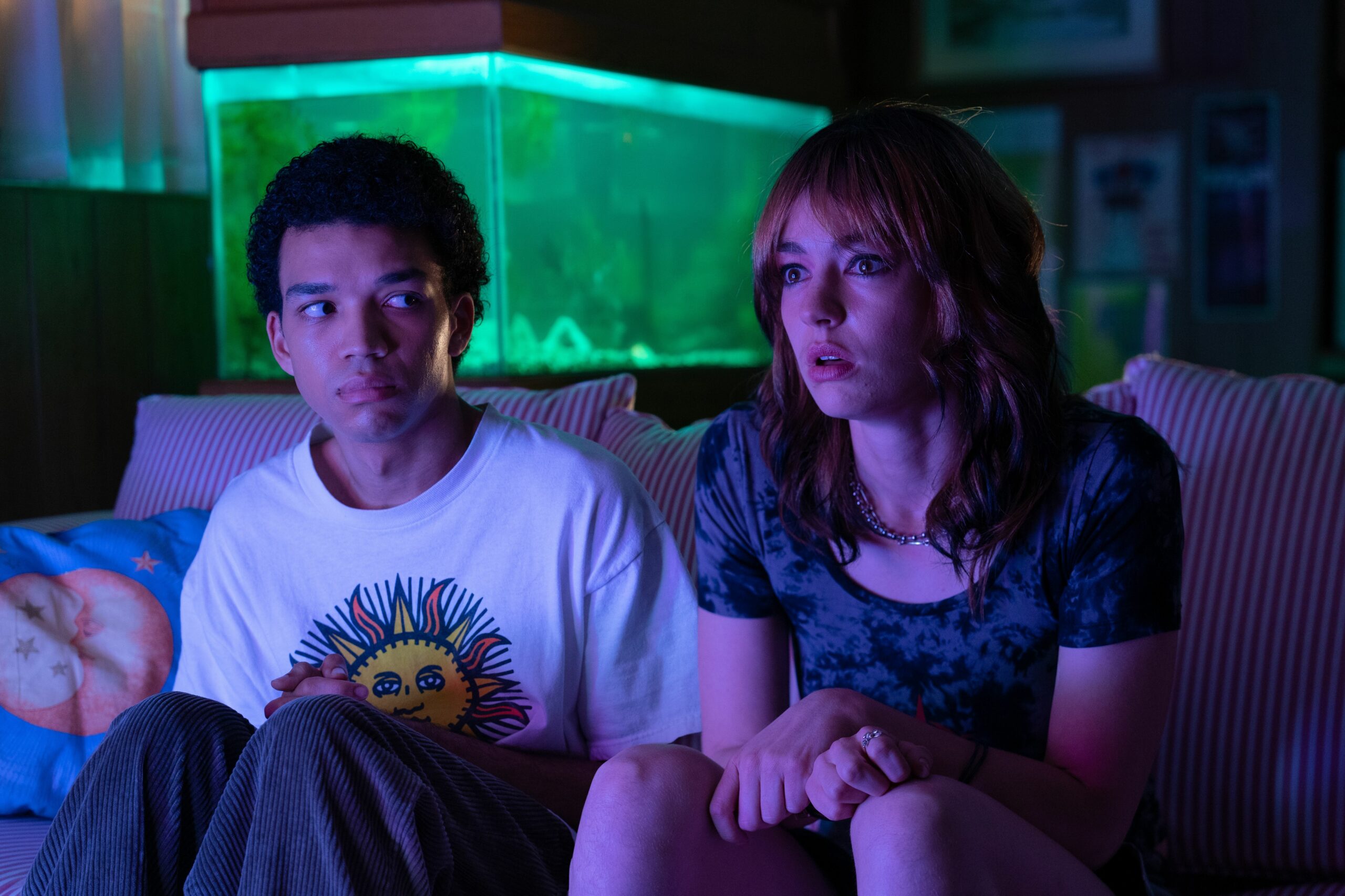
Speaking of actually having a greater scale and a greater budget, what was the coolest special effect that you got to deploy in this film?
JS: I mean, I loved making the monsters. From the very beginning, I remember thinking, for the next film? Let’s go monsters.
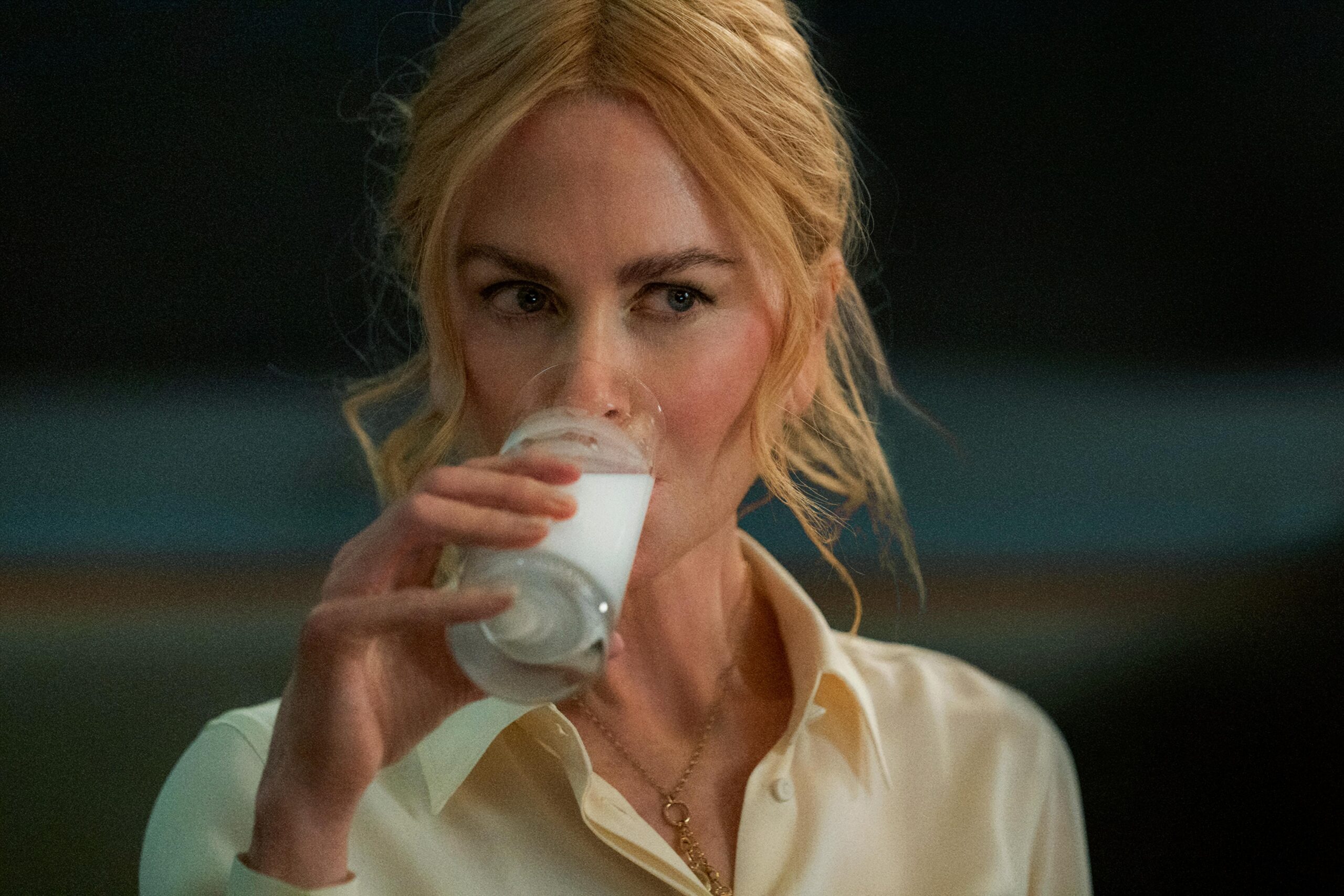
A lot of people have talked about the content of this film being edgy and subversive, but it’s actually a pretty sweet story about self-acceptance. Can you talk diving into that idea?
Halina Reijn: For me, that’s core of the film. There was a question that I wanted to ask myself. Is it possible to love all the different parts of yourself?
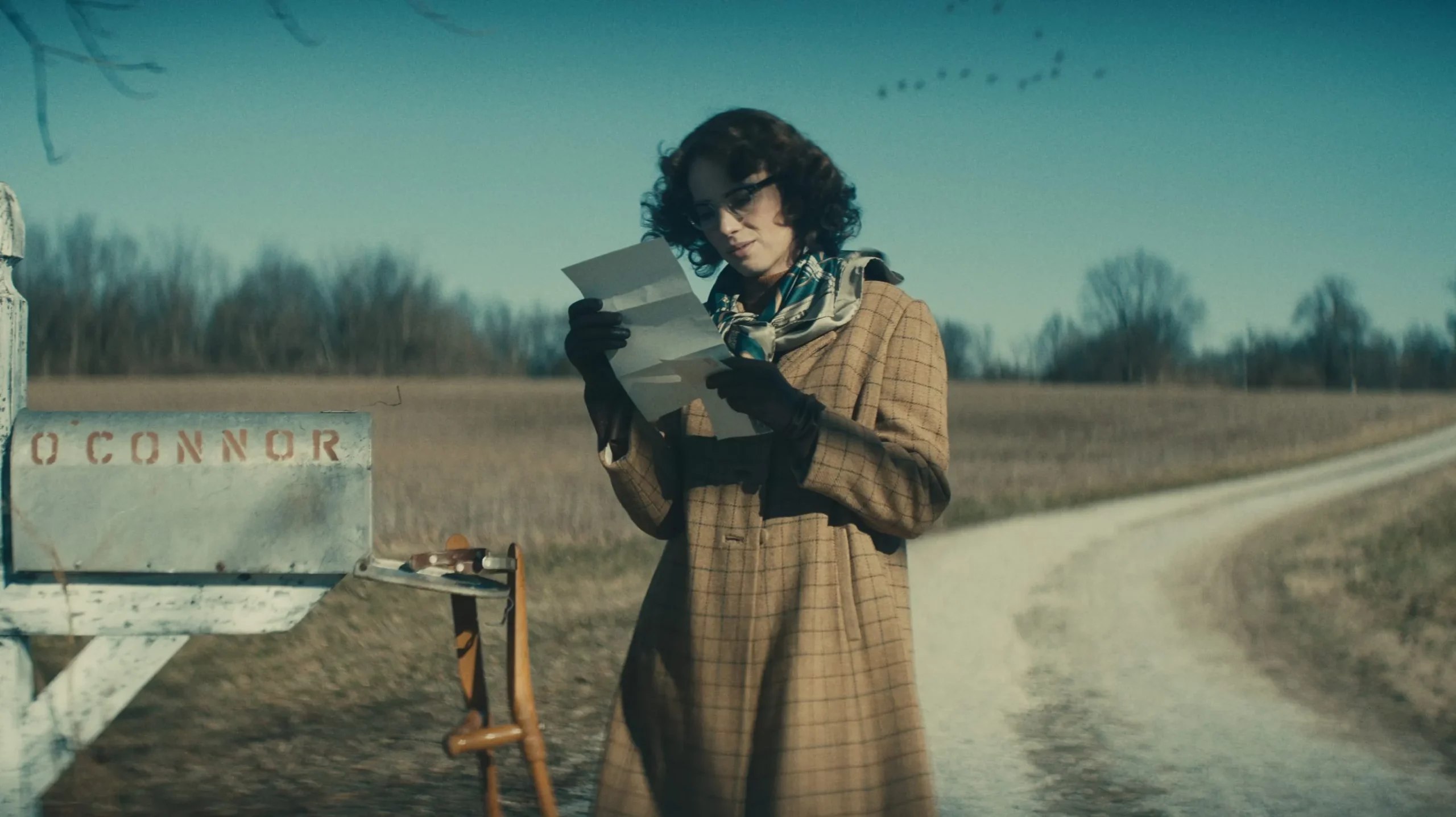
Can you start by telling us about your exposure to Flannery O’Connor throughout your life?
Ethan Hawke: I was first given Flannery O’Connor by my mother, who was trying to prompt the inner feminist in me. Because all I was doing was reading guys.
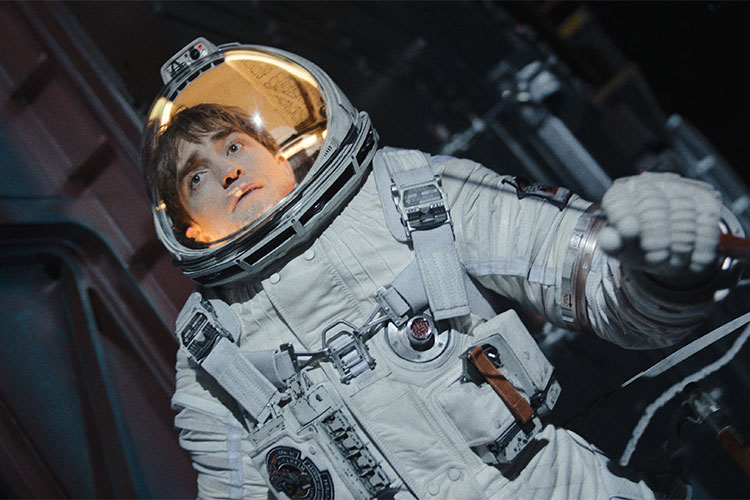
This is a wonderfully imaginative film that has so much to say. Can you talk about your adaptation process?
Bong Joon Ho: So I first read a ten page treatment of the novel, and I was just immediately fascinated by the concept of human printing.
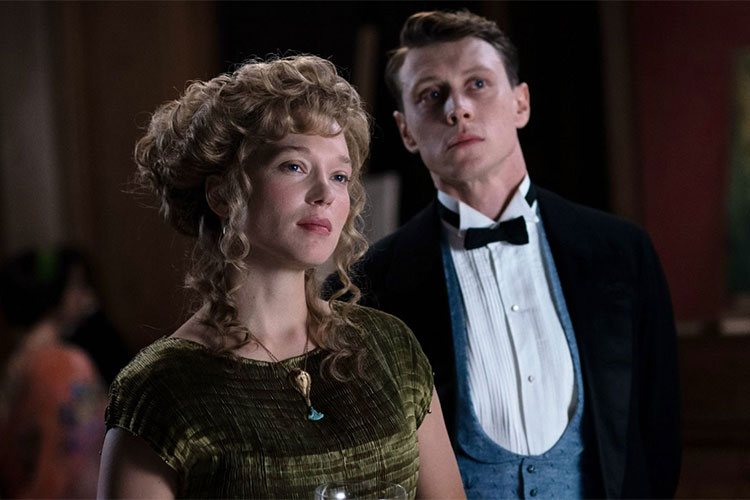
I heard that your first idea, or one of the first images that you had, was the green screen prologue. Why was that the right way to start the film?
Bertrand Bonello: It’s the first thing I wrote. Because for everyone, or for every audience, green screen is related to the idea of virtuality.

New York, NY (December 3, 2025) – The National Board of Review (NBR) announced today their 2025 honorees
New York, NY (December 4, 2024) – The National Board of Review (NBR) announced today their 2024 honorees