The film is freely adapted from a graphic novel. How did you approach the adaptation?
Kechiche: I came upon the comic book by chance and I was seduced by the drawings.
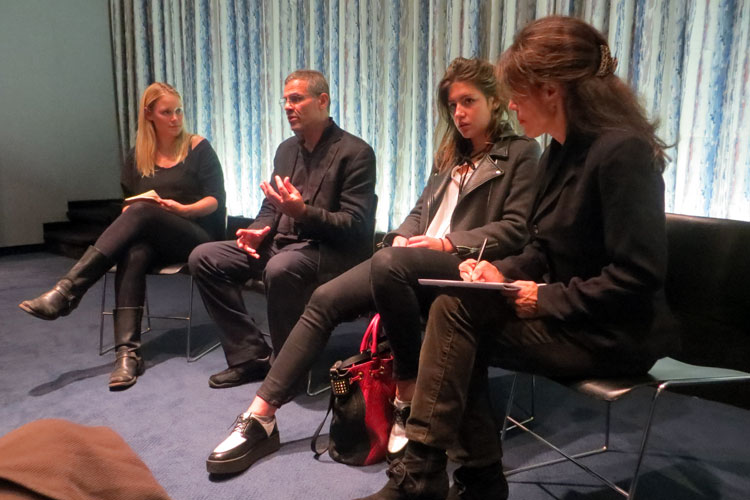

The film is freely adapted from a graphic novel. How did you approach the adaptation?
Kechiche: I came upon the comic book by chance and I was seduced by the drawings.

The following questions and answers are excerpted from a conversation that followed the NBR screening of Primetime. This is an incredible, confident film. You come from a strong documentary tradition. Why did you choose this to be your first narrative feature?Lance Oppenheim: Well, it’s funny. I grew up To Catch a Predator, and I discovered it […]
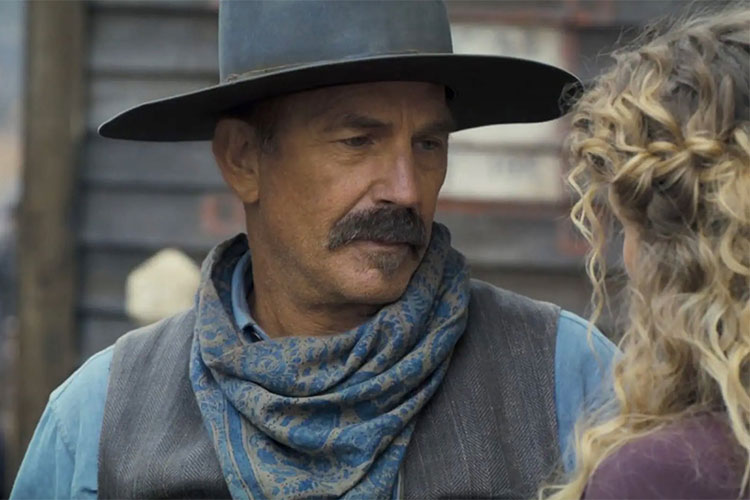
What draws you back to these Western stories? What is it like when you develop a project over the course of many years, as you’ve done here?
Kevin Costner: I think it’s the idea that it’s not a part of Disneyland: it was part of our history.

Congratulations on this incredible film. I want to start with your producer credit. What does that role mean to you?
Celine Song: Being a producer can mean a lot of things. Sometimes it’s financial, but for me, it meant being in the creative trenches—casting, budgeting, locations, all of it.
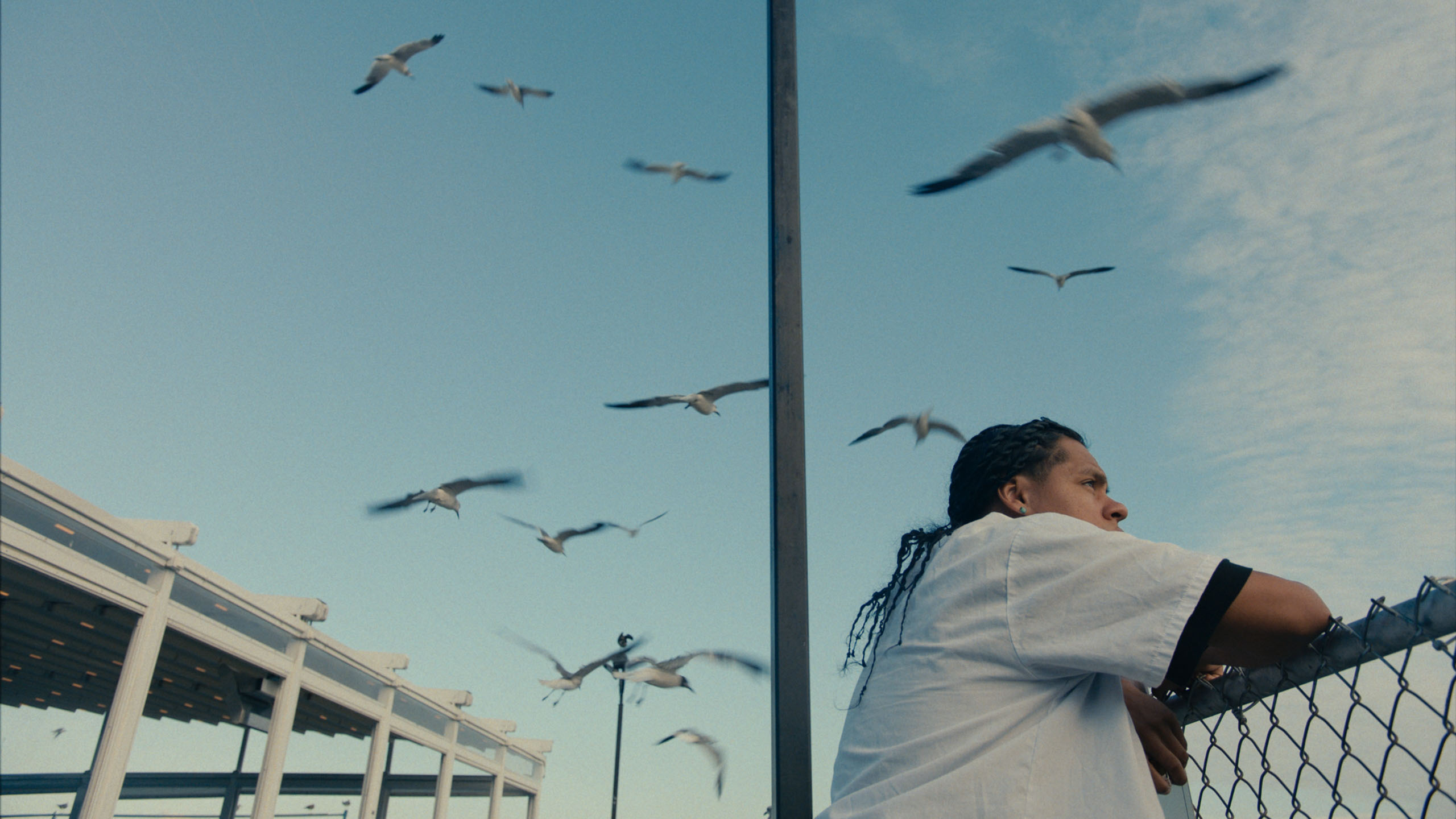
The following questions and answers are excerpted from a conversation that followed the NBR screening of Mad Bills to Pay. What was the genesis of this film and how did it become a feature?Joel Alfonso Vargas: It kind of happened during lockdown. I had some projects that I was trying to set up just before that […]
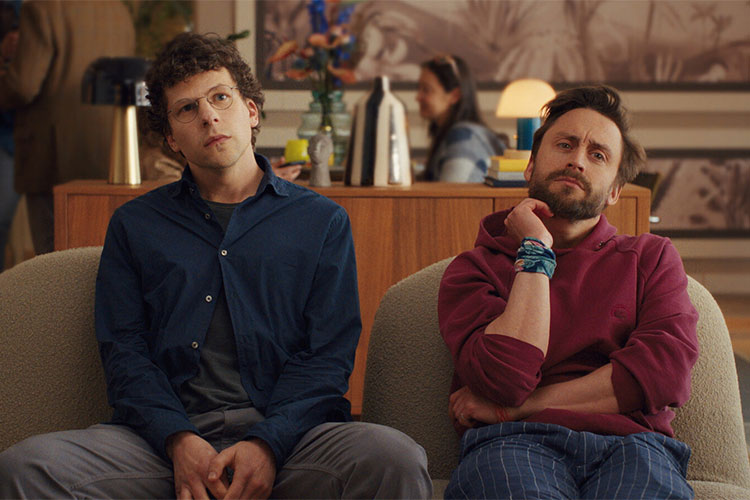
Jesse, what inspired this story? I understand it was a long road for you, between the initial idea and getting it up on the screen.
Jesse Eisenberg: Yeah, I’d been, like, sitting with the seeds of this movie for twenty years.
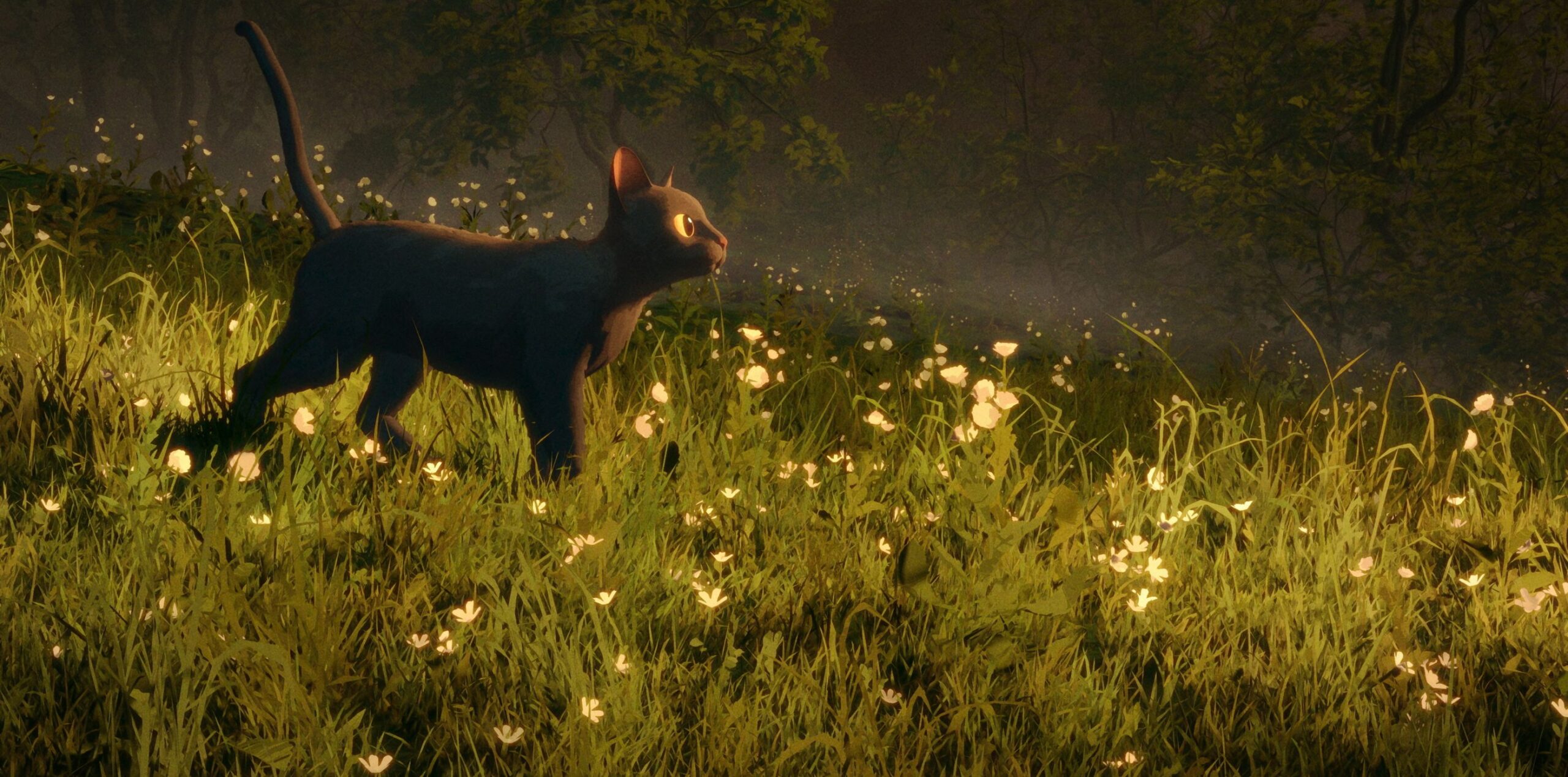
What is it like finally bringing a film into the world after you’ve been working on it for close to five years?
Gints Zilbalodis: It’s been very intense, and very strange, sitting in a room by yourself for such a long time and then going to twenty or thirty places and meeting crowds of people.

I love what you said about how the book never judges its characters, despite their actions. How did that inform you as you began to adapt the book?
Emerald Fennell: I think everyone in this book is kind of deeply troubling. That’s what makes it such a masterpiece, you know? The sum of its parts and the sum of their parts are so much more.
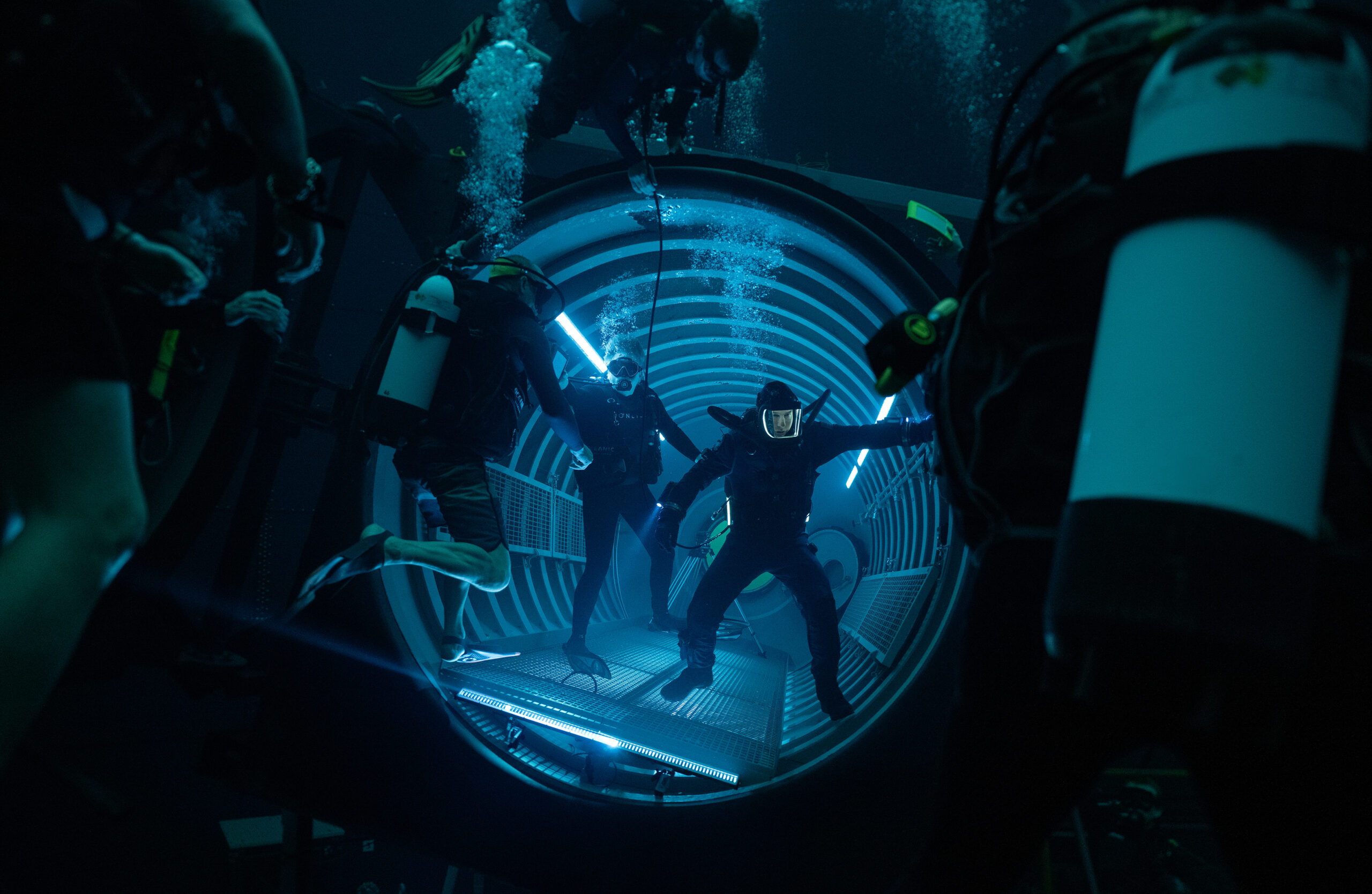
You mentioned the first act was the hardest to edit. Can you expand on that?
Christopher McQuarrie: Every time we finish one of these movies, we’re at the premiere and in that moment where the film ends but right before the credits start, Tom will lean over and say, “we could do better.” We came away from Dead Reckoning knowing not only that we could do it, but we had to do it.
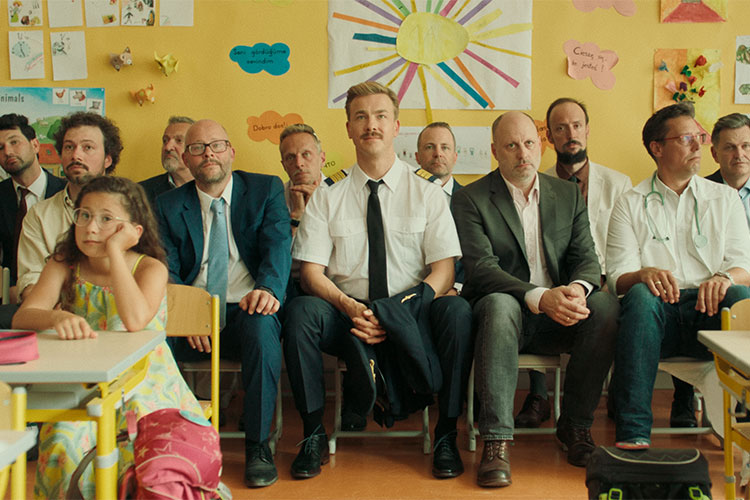
Albrecht, you said rehearsal was the most challenging of your career. Why?
Albrecht Schuch: It was, without question, the hardest preparation I’ve ever faced. At first, I couldn’t find the center of the character. He felt like someone without emotions, almost as if he were absent from his own life.
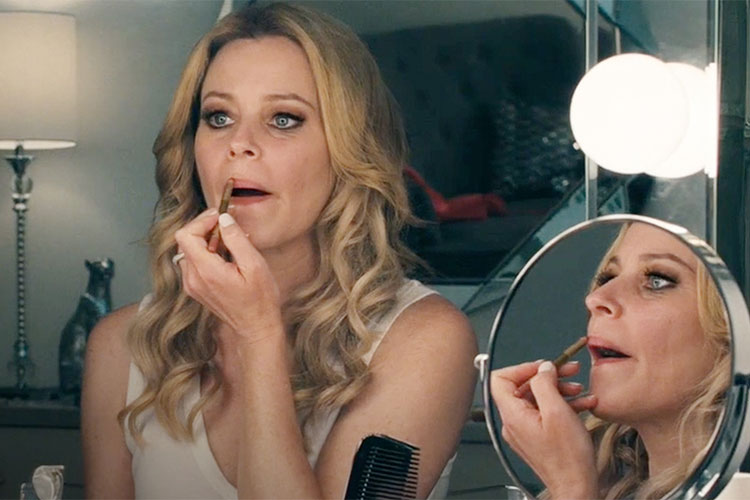
Can you talk about the decision to set the film in 2013, and why that specific year was the right choice for this story?
Austin Peters: If you think about where we, as a country, were at in 2013… It was such a different time.
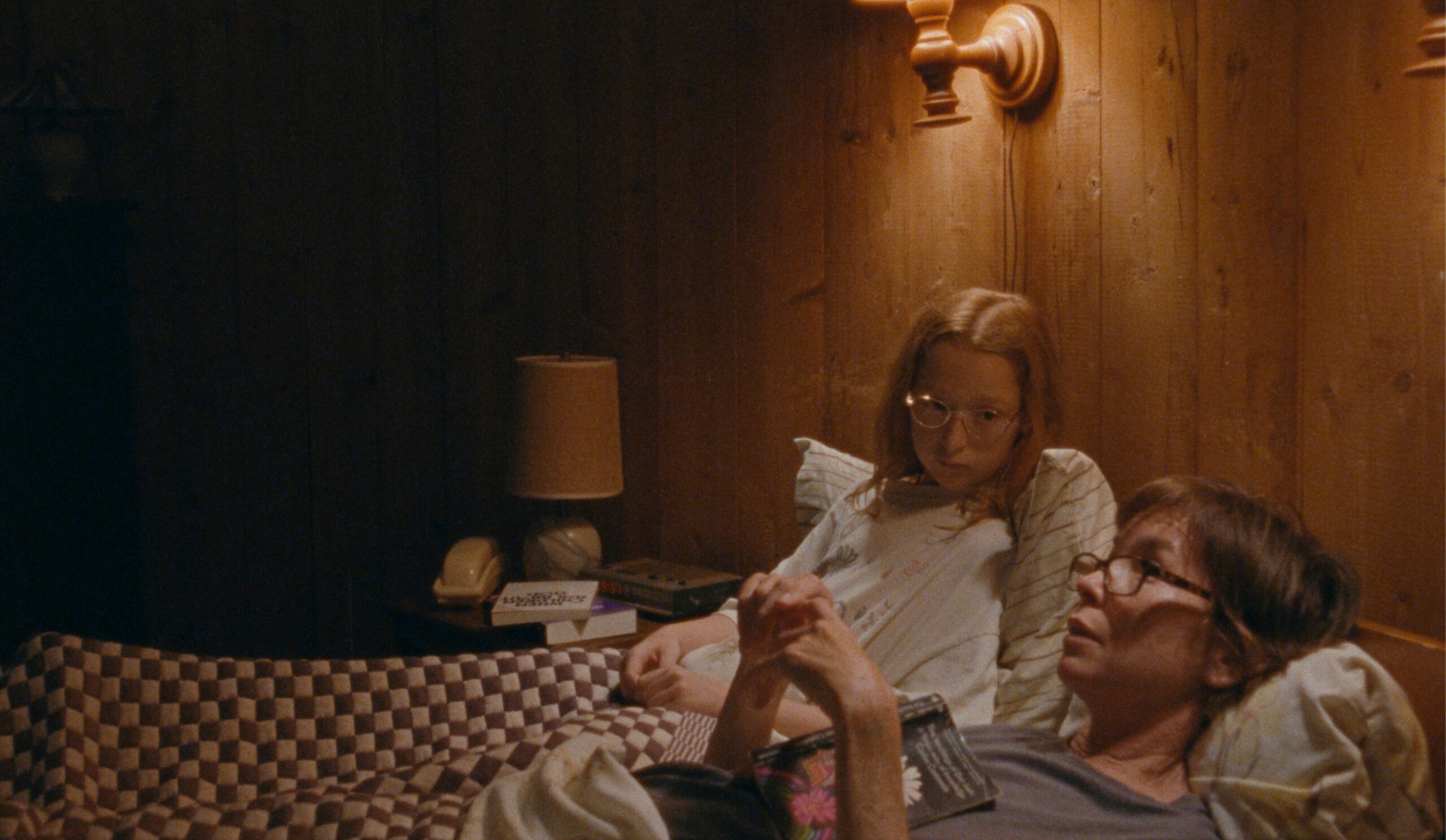
Why did you decide to set this story on screen and not on stage?
Annie Baker: It’s never like an intellectual decision. For me it’s very instinct driven. What is a play and what is a movie?