Why did you want to be in this film?
Redford: Because he asked me! In all honesty, I’ve spent many years building an organization to promote independent film, and yet no one has asked me to work in their film.
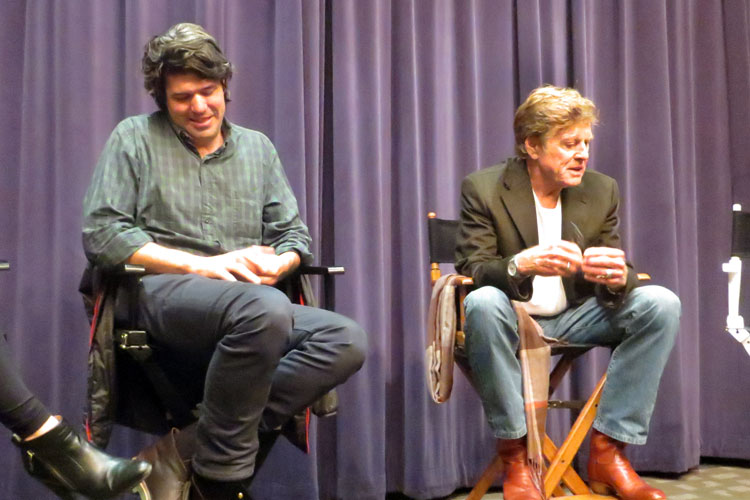

Why did you want to be in this film?
Redford: Because he asked me! In all honesty, I’ve spent many years building an organization to promote independent film, and yet no one has asked me to work in their film.
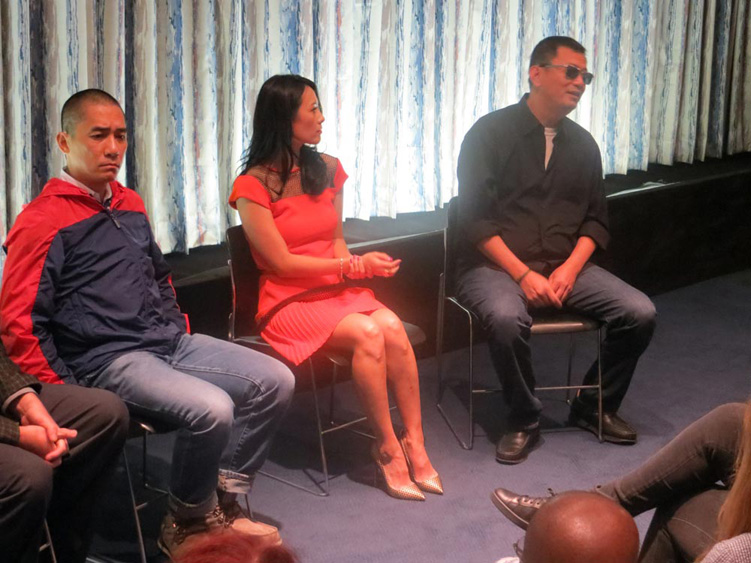
When did Ip Man first come into your life?
Kar Wai: In 1998, I had a chance to meet with the family of the Grandmaster Ip Man. And they showed me a short film of him – which you can find on YouTube now. His son recorded it just a few days before Ip Man passed away. And you can see that it’s almost like a home movie; he’s very sick and quite thin.
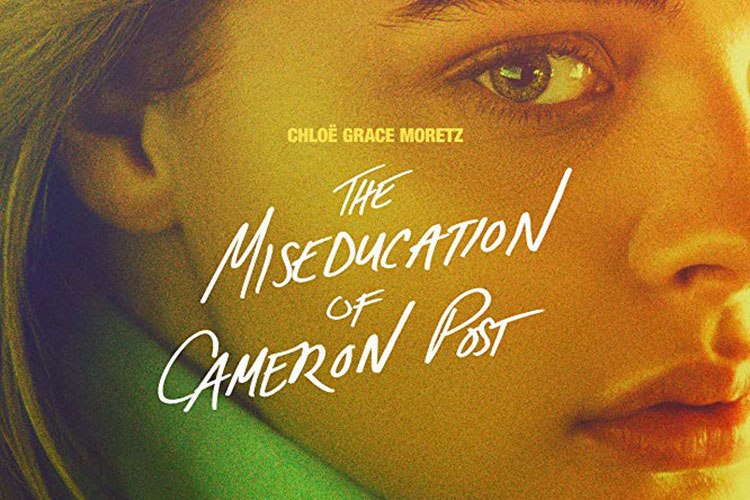
The following questions and answers are excerpted from a conversation that followed the NBR screening of The Miseducation of Cameron Post. How did this project start? Desiree Akhavan: I was sent the book and I loved it. I really loved it. I gave it to my girlfriend at the time, who read it and loved it. And, […]
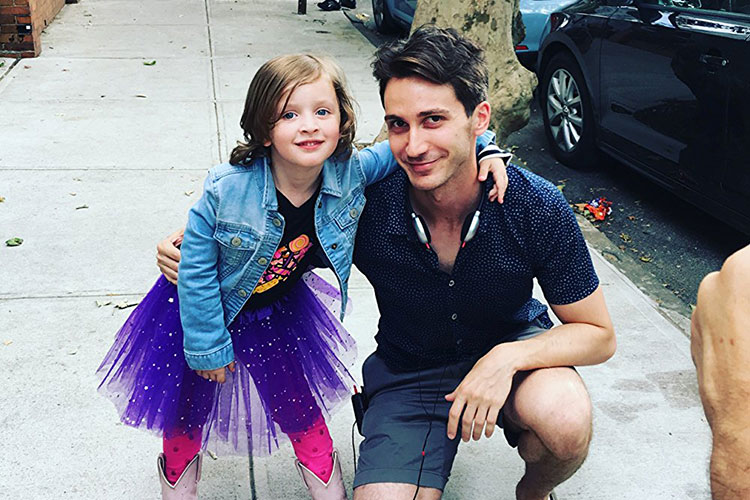
How did you end up bringing it to the screen?
Daniel Pearle: Jim Parsons read the play and he had just started his company, That’s Wonderful.

Why do audiences love Kirk and Spock so much? What gives their relationship such dynamism?
Pine: I think the Enterprise represents, psychologically speaking, parts of one person. I always think of the triumvirate of McCoy, Kirk and Spock as representing parts of a single human being.

I want to start out by talking about how you got the idea to do this. How do you collaborate to come up with this incredible work that we just saw?
Meredith Bragg: We’re not entirely sure where we first learned that pinball was illegal in many cities…
get involved?
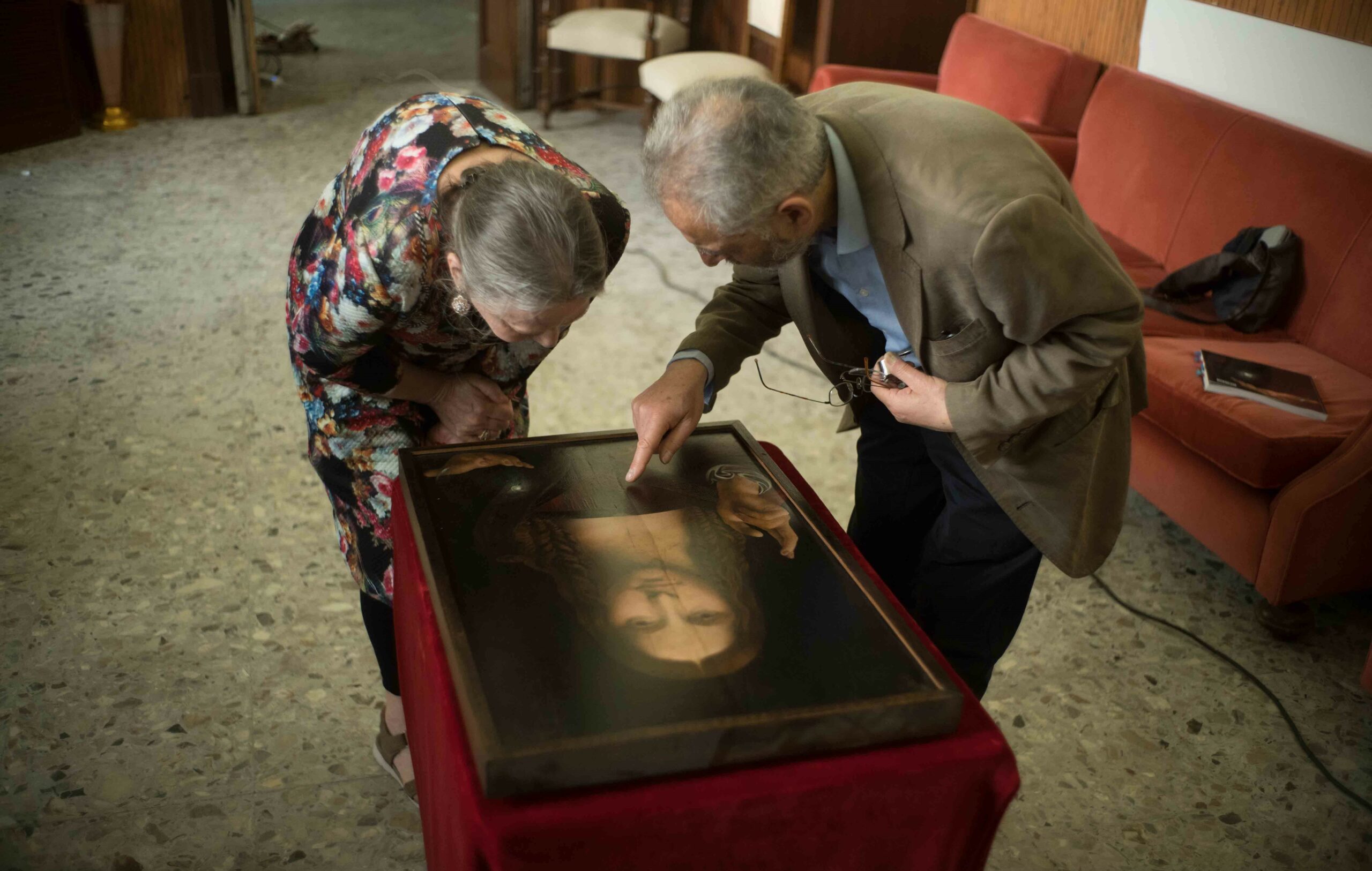
Andreas Koefoed: A producer friend of mine got in touch and told me about this incredible story. He was in touch with this British art critic—Ben Lewis—that was writing a book about the whole affair.
You did almost all of the work on this film— what was that experience like?
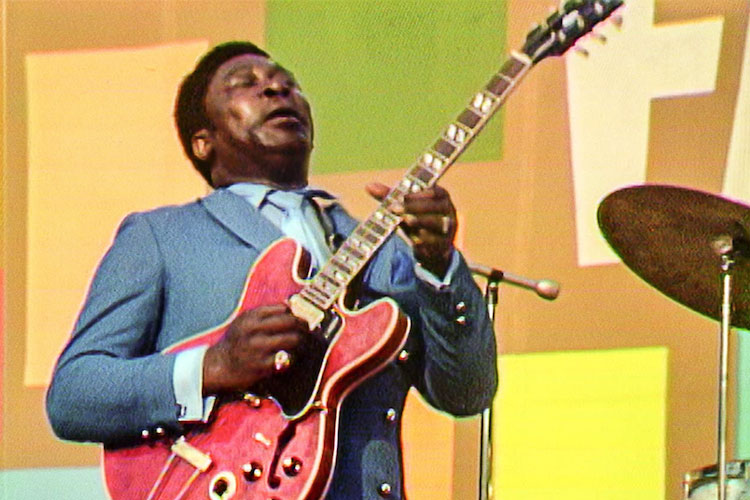
Jessica Kingdon: I did have a close cinematographer, Nathan Truesdell, and we shot it together. But, yeah, it was very much a film that was coming out of my own mind.
Why did you decide to shoot this film in black and white?
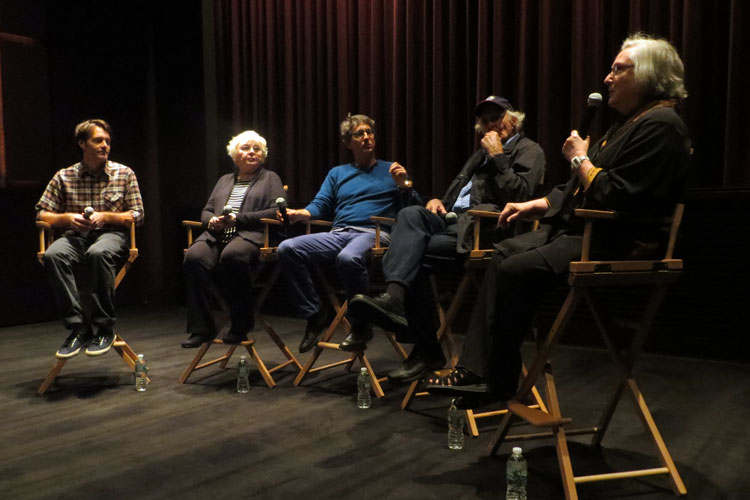
Alexander Payne: You know, it wasn’t ever really a decision—it just felt right. It had to be in black and white.
The film is freely adapted from a graphic novel. How did you approach the adaptation?
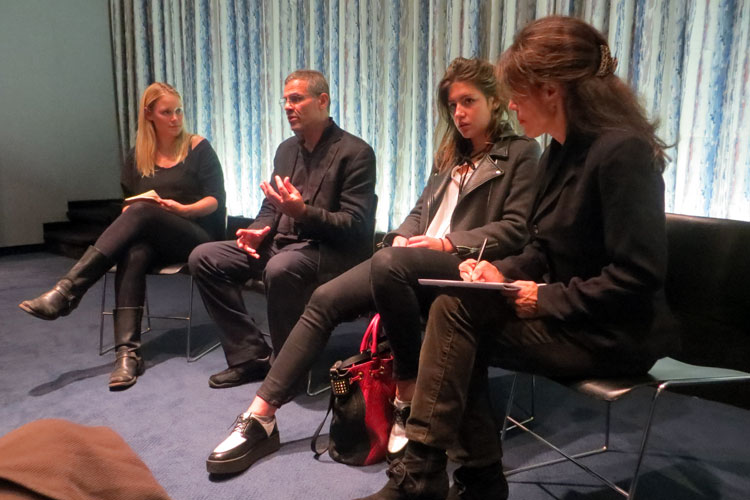
Kechiche: I came upon the comic book by chance and I was seduced by the drawings.
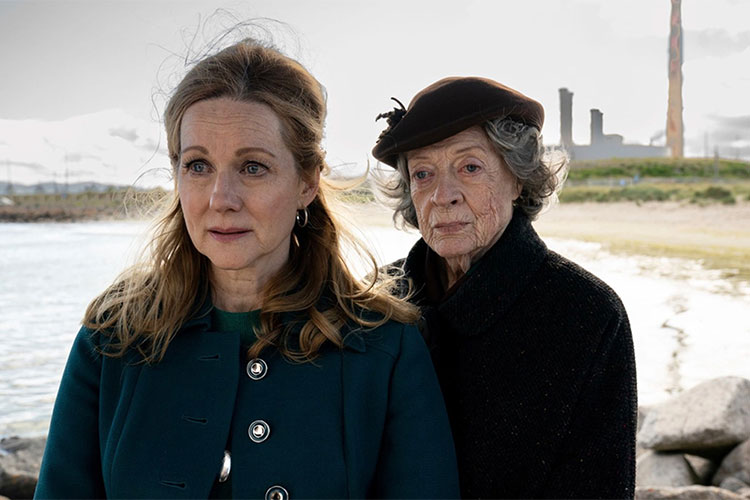
Period pieces are notoriously cumbersome and expensive to make. Did you find that to be the case?
Thaddeus O’Sullivan: The biggest challenge in this context was really the whole Lourdes issue.
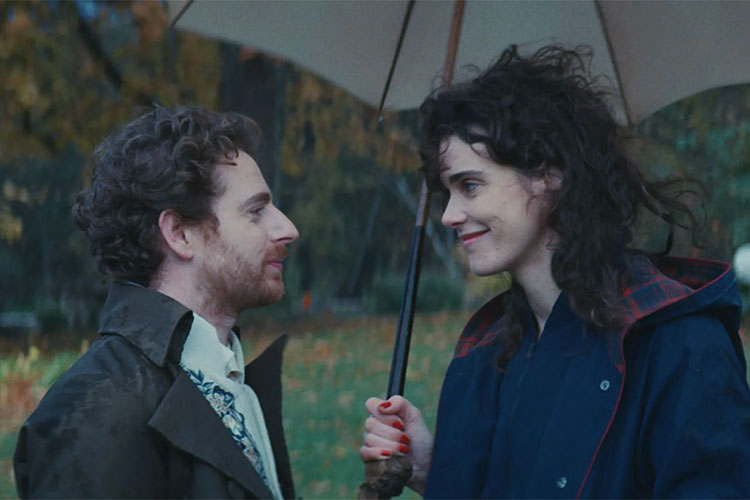
Laura, let’s start with the title. I had to laugh—Jane Austen doesn’t wreck anyone’s life… or does she?
Laura Piani: It all started years ago, when I worked night shifts at Shakespeare and Company in Paris.

The following questions and answers are excerpted from a conversation that followed the NBR screening of Primetime. This is an incredible, confident film. You come from a strong documentary tradition. Why did you choose this to be your first narrative feature?Lance Oppenheim: Well, it’s funny. I grew up To Catch a Predator, and I discovered it […]
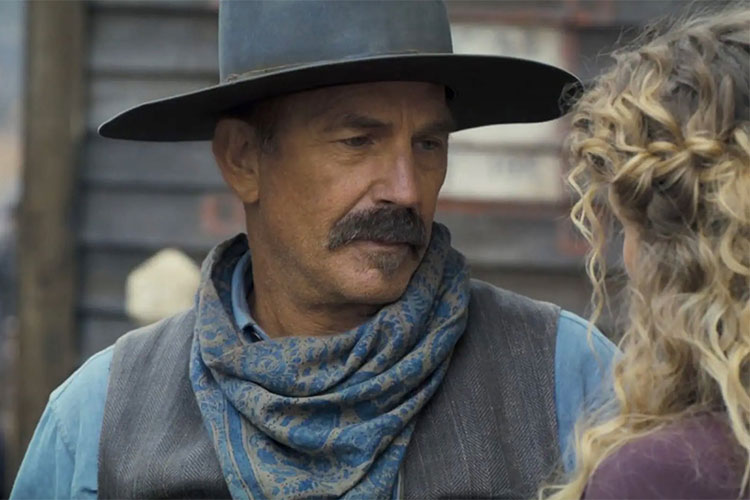
What draws you back to these Western stories? What is it like when you develop a project over the course of many years, as you’ve done here?
Kevin Costner: I think it’s the idea that it’s not a part of Disneyland: it was part of our history.
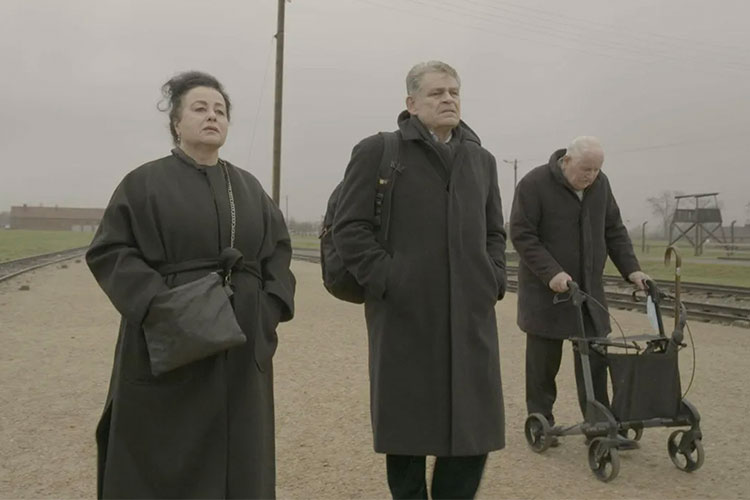
Maya, I understand that the seed of the idea for this film originated with you?
Maya Lasker-Wallfisch: Yes: I wrote a book, which was apparently interesting! And one of the things I wrote about in the book were two themes that really interested Daniela. And so Daniela and I were connected through a mutual person that we both knew.