Q&A with Robert Machoian and Clayne Crawford

Can you discuss your inspiration for writing this story?
Robert Machoian: It was really motivated, to some degree, my own life in the sense that I’ve been married for quite a while, and I have children, and coming to this period in life where many friends of ours were starting to separate.

Q&A with Richard Tanne

What did your writing process entail?
It kind of had the whiff of destiny, from the time I read the book.

Q&A with Joey Kuhn and Kimberly Parker

Can you talk about some of the sources of inspiration for this film?
Joey Kuhn: I’ll start with the emotional inspiration for the film: In college, I accidentally fell in love with my gay best friend, and was afraid to tell him for years.

Q&A with Emerald Fennell and Carey Mulligan

How did the idea for script originate?
Emerald Fennell: I had a few friends over for dinner and something uncomfortable had happened to one of the girls at the table on the tube on her way over.

Q&A with Michael Showalter and Cathy Schulman

What made Michael the perfect director for this film?
I’ve been a longtime fan of Michael’s, and as a matter of fact, early on in the process I reached out to him in hopes that he might be able to get involved from the very beginning.

Q&A with Eva Victor and Lucas Hedges

The following questions and answers are excerpted from a conversation that followed the NBR screening of Sorry, Baby. The film feels like you have a lot of trust in the audience to be patient, to wait for explanations, and to understand nuance. Was it that way during development?Eva Victor: Yes. I was honestly forced to be […]

Q&A with Emerald Fennell

I love what you said about how the book never judges its characters, despite their actions. How did that inform you as you began to adapt the book?
Emerald Fennell: I think everyone in this book is kind of deeply troubling. That’s what makes it such a masterpiece, you know? The sum of its parts and the sum of their parts are so much more.

Q&A with Celine Song

Congratulations on this incredible film. I want to start with your producer credit. What does that role mean to you?
Celine Song: Being a producer can mean a lot of things. Sometimes it’s financial, but for me, it meant being in the creative trenches—casting, budgeting, locations, all of it.

Post Term

During a 1992 Long Island autumn, a Pakistani immigrant doctor in a post-term pregnancy is pushed to confront the expectations of her new life.

Liquor Store

Don is a 30-something die-hard Mets fan who works behind the counter of a classic New York liquor joint on the Lower East Side of Manhattan. His whole purpose in life is to score a ticket to Game 7 of the World Series. He has exhausted all of his options, even calling his ex-girlfriend for a ticket, but no go. Morty, the grumpy yet lovable curmudgeon who manages the store, chews Don out for caring so much about a ball game. Morty tells Don that he’s gonna meet someone who makes him see things differently. Don dismisses this until the stunning, artsy Nina walks in. Bang. Pow. Sparks fly. Nina and Don dig each other and Don asks her out. She’s only free tonight, but tonight is Game 7. What’s Don gonna do?

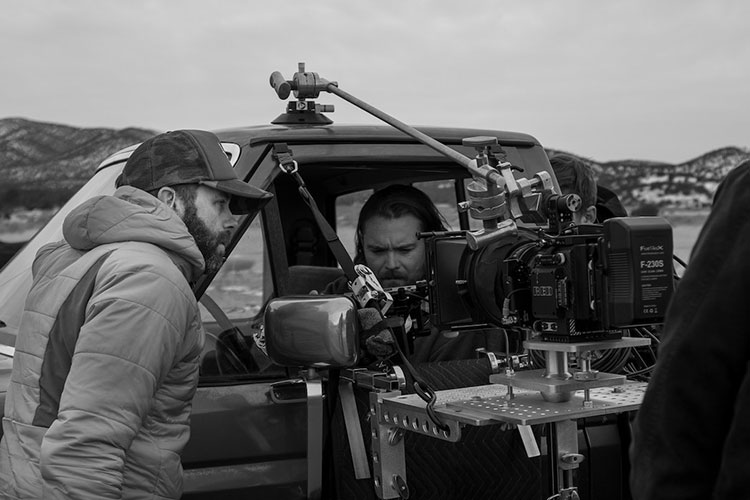
Late Spring – Directed by Zachary Kerschberg

Late Spring is the story of Mahmoud, a petty clerk in a police station during the beginning of the Libyan revolution, who must suddenly chose sides when a tortured prisoner asks him for help.