Can you talk about the origins of this project?
Tony Kushner: Steven told me the story that’s the core of the movie on the first day of filming Munich, in 2005, in Malta.
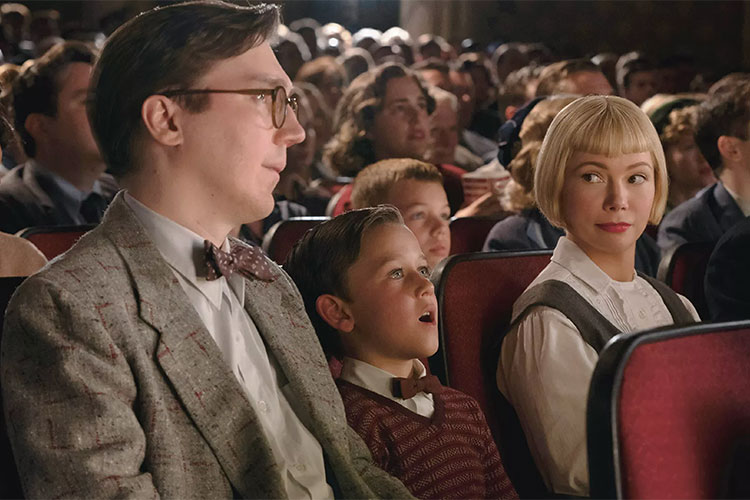

Can you talk about the origins of this project?
Tony Kushner: Steven told me the story that’s the core of the movie on the first day of filming Munich, in 2005, in Malta.

What drew you to the role of Gladys?
Anjana Vasan: My agent sent me the script and said Thea Sharrock wants to meet you, have a read, and Olivia Colman’s attached and before she could finish saying Olivia Colman I went, yes!
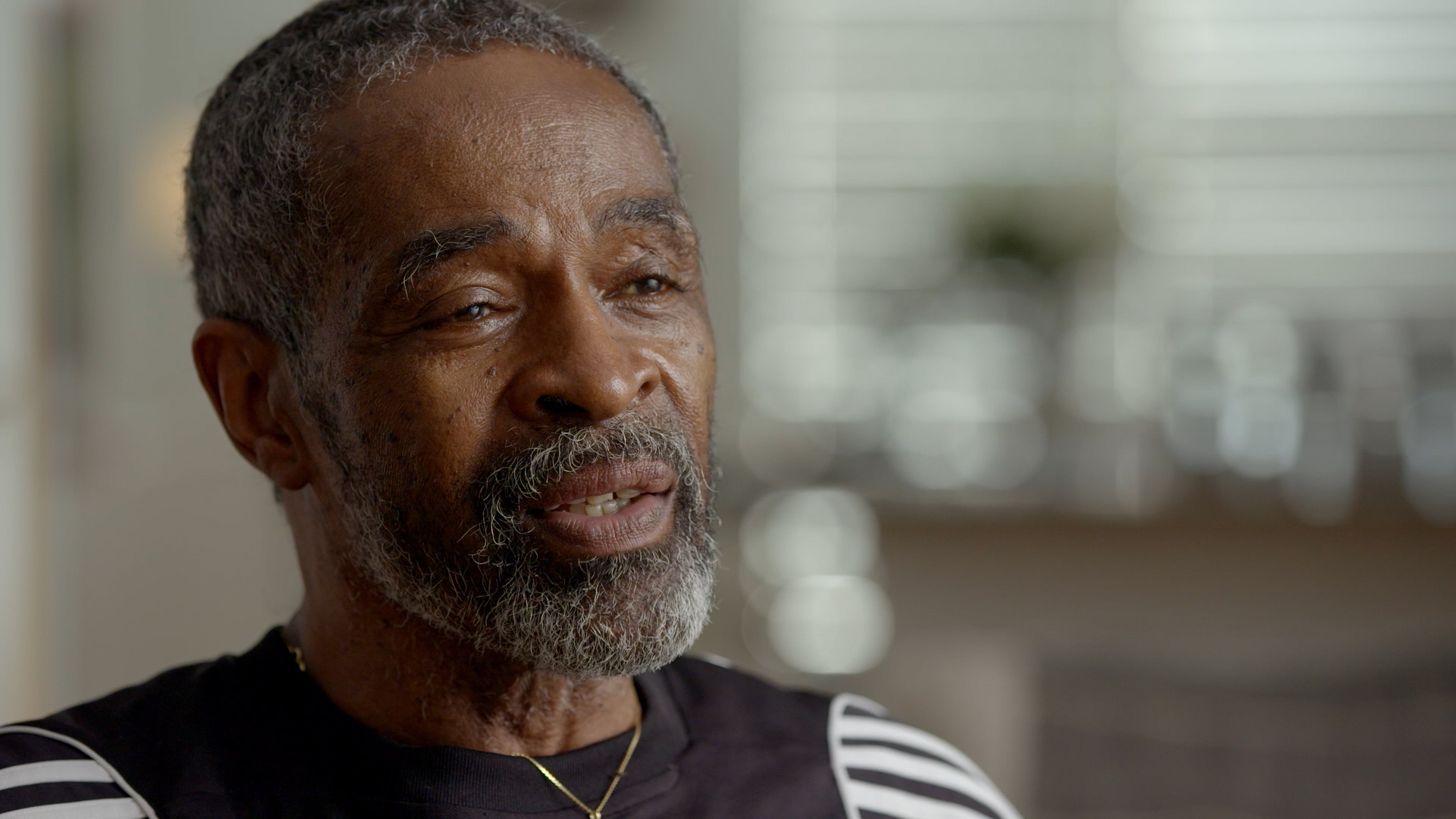
Can you talk about the germination of this idea, for you?
Jeymes Samuel: The film has been in my head since I was a kid.
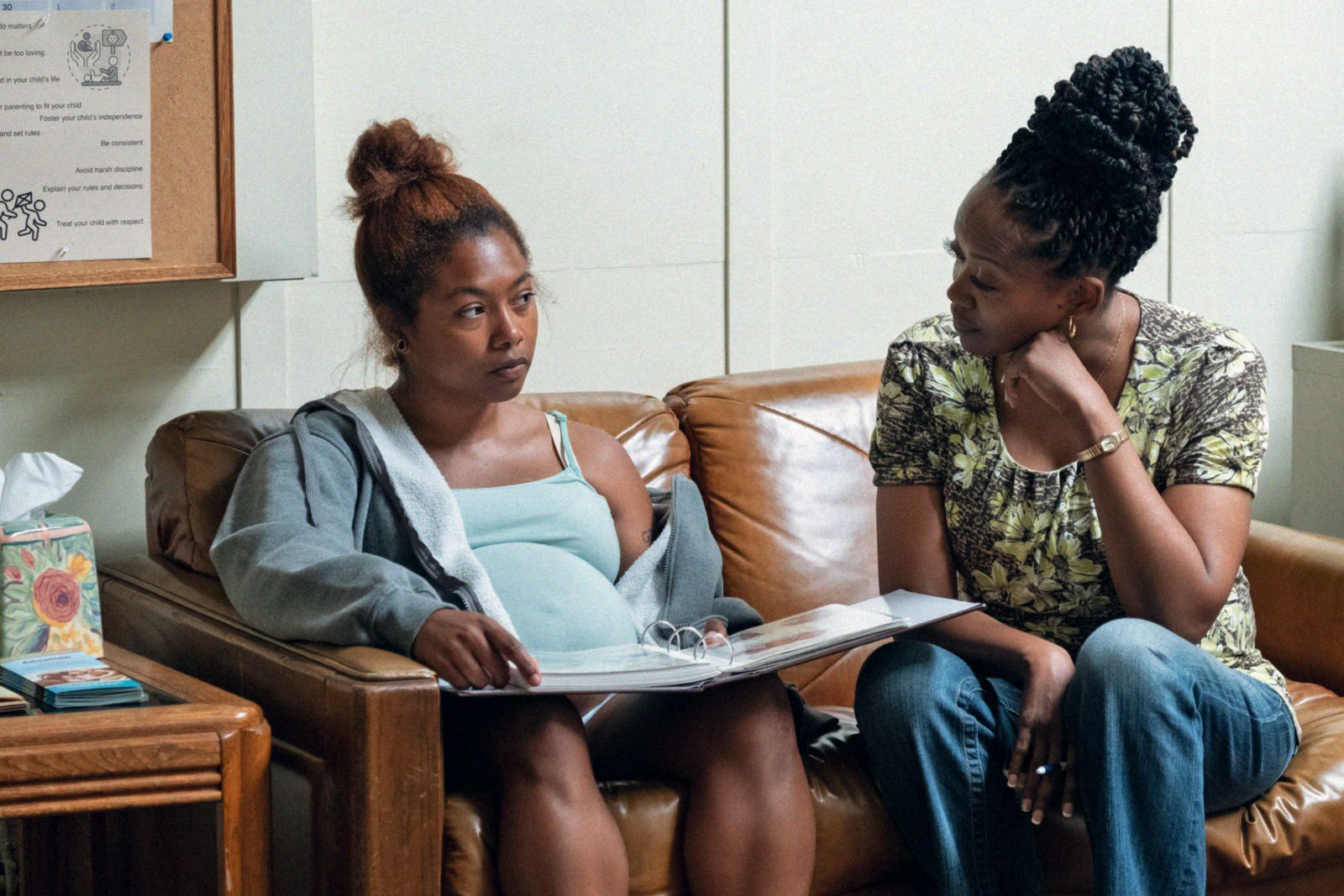
Can you talk about making the transition from athletics to a visual and creative artist?
Savanah Leaf: In a way, I think a film is this combination of working in a team environment.
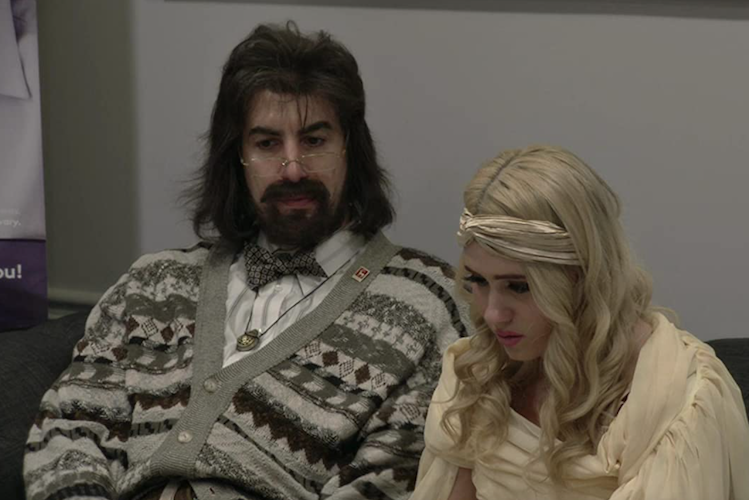
Sacha, the original Borat was a tremendous success. Why did it take so long to make a sequel?
Sacha Baron Cohen: Well, we just assumed it was impossible to make.
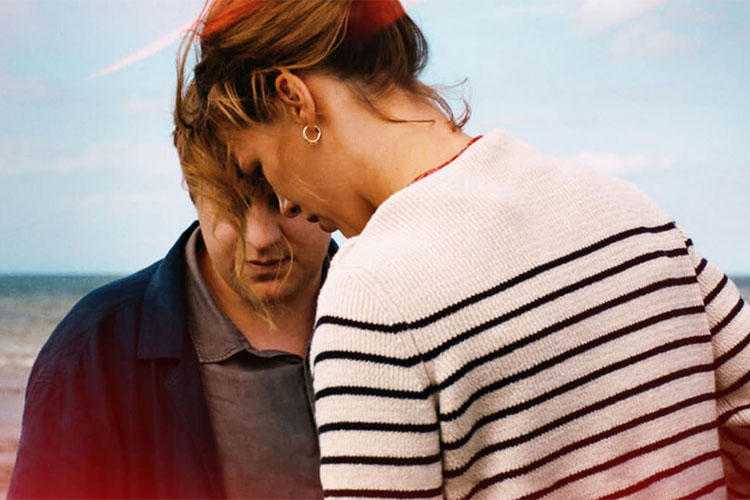
What was it like, collaborating with director Christian Petzold for a third time?
Paula Beer: Well, working with Christian is just fun. And his way of working is different from everything I’ve experienced so far.

How did missing certain parts of the script before shooting influence you?
Parker Posey: I came on set thinking the film was one way — kind of light fare — and I sort of had water thrown on me by Woody: He immediately told me that she’s a suffering, lonely woman; she’s very unhappy.

How did you get involved with this project?
I came to this book as a casual reader. I got it from the same bookstore you see James [Franco] signing books in at the start of the movie.
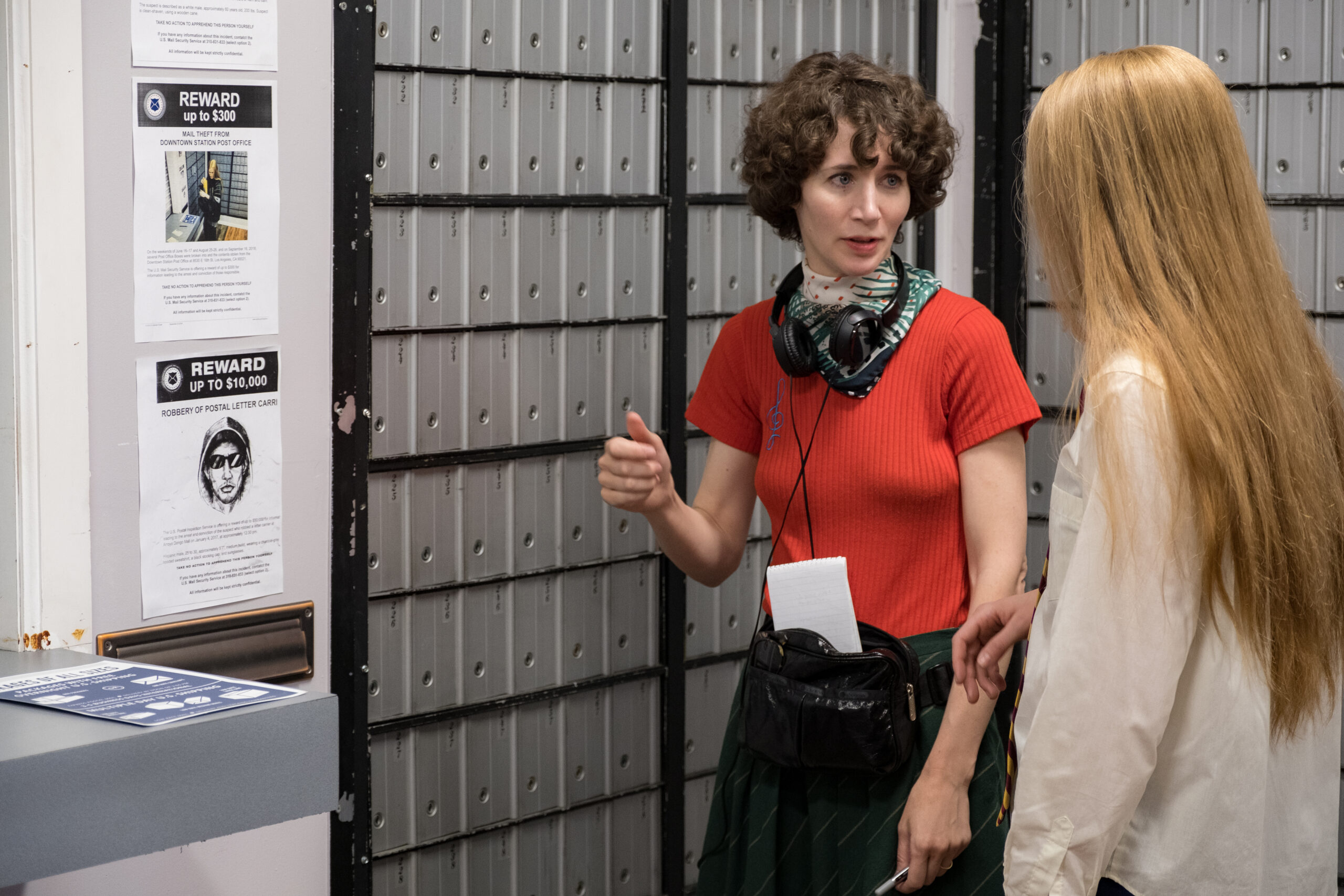
Can you talk about your scriptwriting and research process?
Writing can come with all sorts of weird blocks, so part of it for me is outsmarting those blocks
Michael, how did the script find its way to you?
It came to me through Arlie [Day], our producer and casting director. What I like to think she saw it in for me was that the great subject of the film was empathy. It’s about how to look at other people’s lives and experiences uncolored by any sense of judgment.
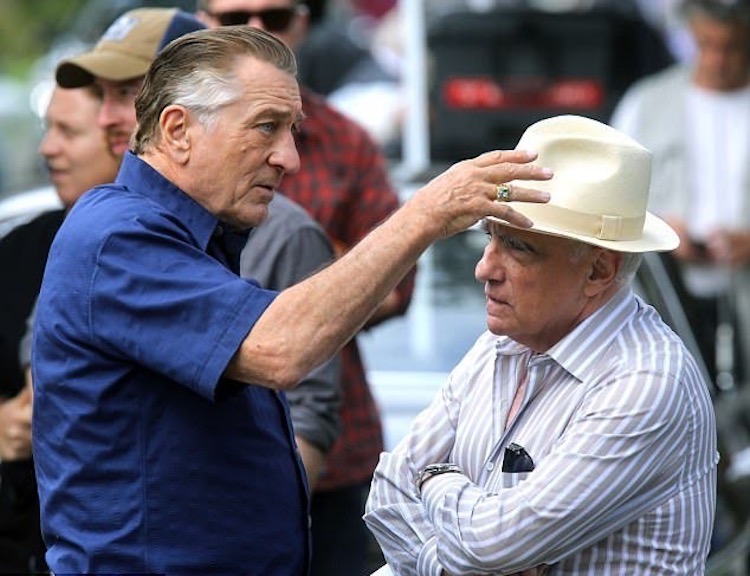
This film has a different editorial pace and perspective than you usually portray in your films. Would you be able to talk about your approach with these older men in the film?
Martin Scorsese: This is not a film we could have created or made as effectively if we had tried to make it ten years ago.
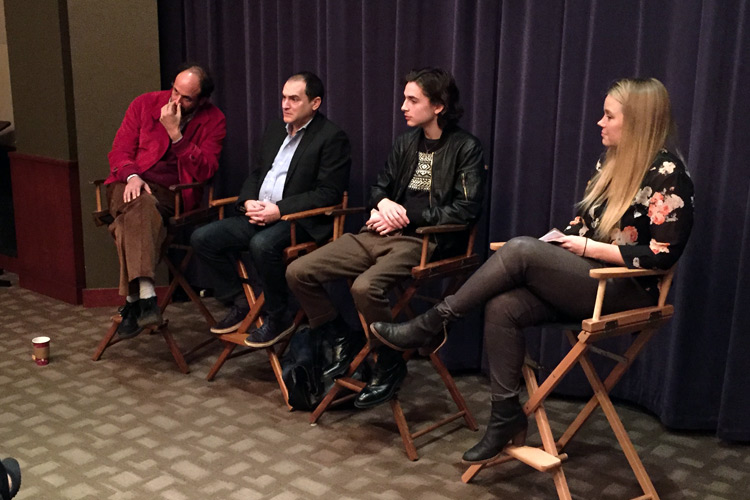
The final scene between the father and son is so moving and beautiful, what was it like shooting that scene and what did it mean to you?
Michael Stuhlbarg: Rarely in filmmaking does one get to shoot things in order, but in this case, I had plenty of time because we shot that at the very end of the production.
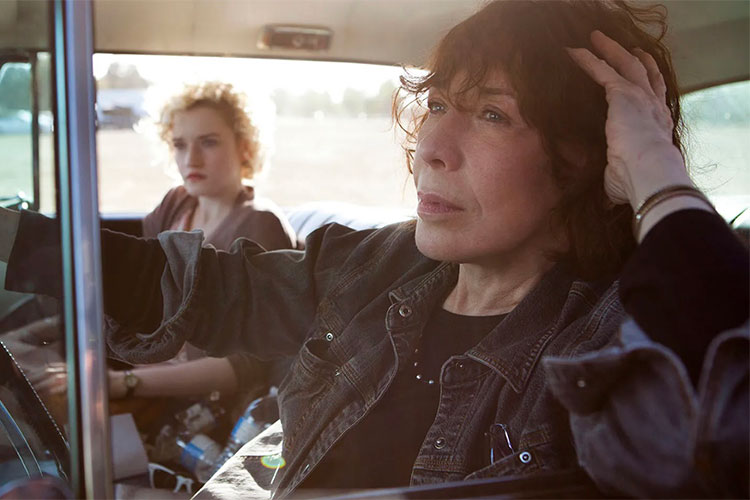
Mr. Weitz, did you write this role for Ms. Tomlin knowing she’d play the part?
Paul Weitz: Yes, I— well, no, I didn’t know she’d play the part!

Josephine, can you speak a bit about that rehearsal process?
When I was going into it, I thought we needed three weeks of rehearsal. Of course, we had like a day and a half!
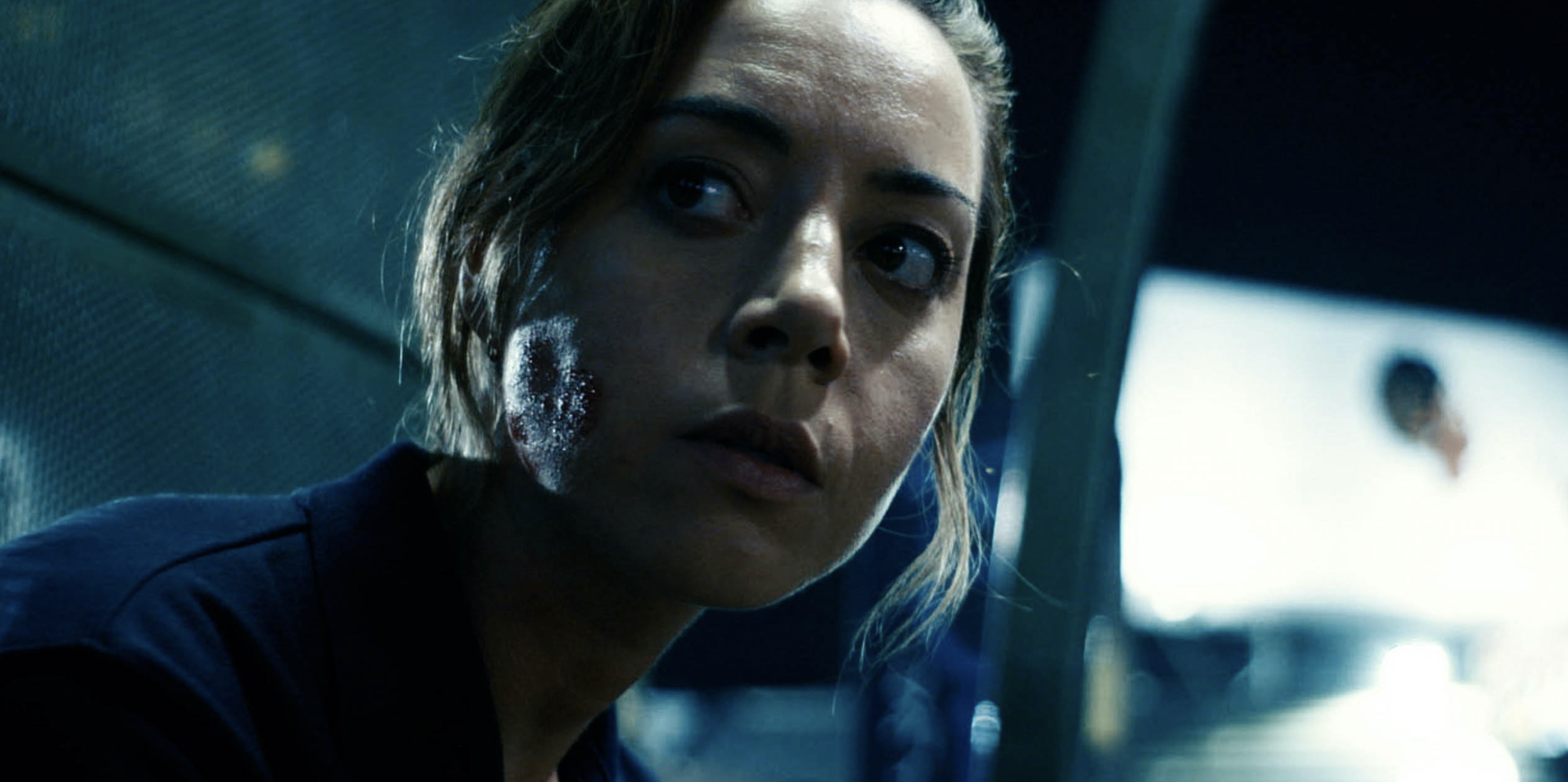
Can you talk about how the idea for the film came about? I read it was somewhat autobiographical.
That sounds weird off the bat. I have not committed fraud.